

Why Use Crane Slip Ring?
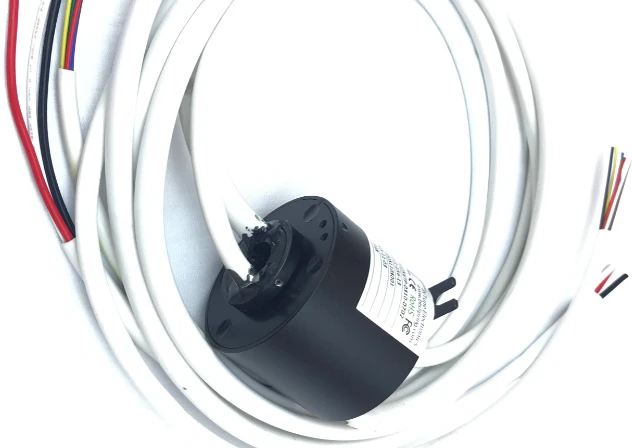
Crane slip rings enable continuous electrical connections between stationary and rotating crane components, eliminating cable tangling during 360-degree rotation. They support reliable power and data transmission for critical operations like lifting, positioning, and controlling heavy loads in construction, ports, and industrial facilities.
Enabling Unrestricted Rotation
The fundamental challenge in crane operation involves maintaining electrical continuity while components rotate freely. Traditional cable systems create immediate problems-twist, tangle, and eventually fail when cranes perform repeated rotational movements. This limitation restricts operational flexibility and creates safety hazards.
Crane slip rings solve this through a deceptively simple mechanism: conductive brushes maintain constant contact with rotating metal rings. As the crane's upper structure rotates, the slip ring assembly transfers electricity without interruption. The stationary portion connects to the power source while the rotating section supplies electrical current to moving components.
This design permits unlimited rotation in either direction. Tower cranes can swing loads across construction sites without cable management concerns. Gantry cranes in ports handle containers with complete rotational freedom. The slip ring ensures power flows continuously regardless of how many times the crane rotates.
The engineering elegance lies in the contact interface. Spring-loaded brushes press against conductive rings with calibrated force-enough pressure to maintain reliable contact, but not so much that friction causes rapid wear. Materials matter significantly here. Gold alloy contacts resist corrosion and provide superior conductivity, though they cost more. Graphite brushes offer economical alternatives for less demanding applications.
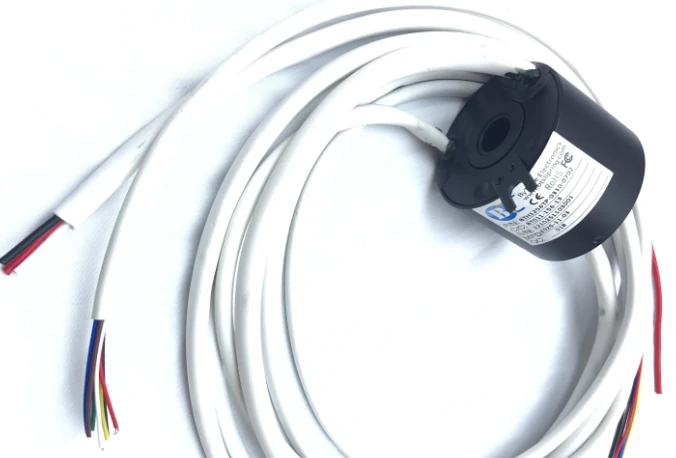
How Crane Slip Rings Deliver High Starting Torque
Cranes face a distinct operational challenge: they must generate substantial force to lift heavy loads from a complete standstill. This requirement differs fundamentally from conveyor systems or fans that accelerate gradually. A crane lifting a 50-ton container needs immediate, powerful torque.
Slip ring induction motors excel at this specific demand. The motor's rotor circuit connects to external resistors through the slip rings, allowing precise control over electrical characteristics during startup. By adjusting resistance values, operators can manipulate the motor's torque-to-current ratio.
The performance difference proves dramatic. A squirrel cage induction motor typically requires 600-700% of full load current during startup. A slip ring motor achieves comparable starting torque using only 250-350% of full load current. This reduction matters enormously for power infrastructure-lower peak demands mean smaller electrical supply systems and reduced utility costs.
The physics behind this advantage involves controlling the phase relationship between induced voltage and current in the rotor. External resistance shifts this phase angle closer to the optimal point for torque generation. As the motor accelerates and load inertia decreases, operators progressively reduce external resistance. Once the crane reaches operating speed, the rotor circuit short-circuits and the motor functions like a standard induction motor.
This graduated resistance approach provides smooth acceleration profiles. Rather than jolting loads with sudden force, the crane slip ring motor can ramp up torque progressively. This controlled acceleration protects mechanical components from shock loads and improves operator precision when handling delicate cargo.
Supporting Variable Speed Control
Many crane operations demand speed adjustment beyond simple on-off control. Loading operations may require slow, precise movements for positioning accuracy. Transit operations benefit from higher speeds to improve productivity. Emergency situations sometimes necessitate rapid response.
Slip ring motors accommodate these varying demands through their external resistance circuits. By maintaining specific resistance values during operation, operators can hold the motor at reduced speeds while still delivering necessary torque. This capability proves particularly valuable for applications like adjusting suspended loads or performing precision placement.
The speed control mechanism operates through slip manipulation. In electrical motor terminology, "slip" represents the difference between the motor's synchronous speed and its actual operating speed. By increasing rotor circuit resistance, the slip ring motor can operate efficiently across a broader speed range than alternative designs.
However, this speed control involves trade-offs. Operating at reduced speeds with high resistance generates heat in the external resistor banks. The energy not converted to mechanical work dissipates as thermal energy. For continuous low-speed operation, this inefficiency becomes problematic. Modern installations increasingly combine slip ring motors with variable frequency drives for more energy-efficient speed control.
Despite efficiency concerns, the fundamental capability remains valuable. Construction cranes performing repetitive cycles benefit from speed variability. Steel mills using overhead cranes for molten metal transport require precise speed control for safety. Material handling systems in ports optimize throughput by adjusting crane speeds based on cargo types.
Handling Harsh Operating Environments
Industrial cranes operate in conditions that challenge electrical systems. Construction sites expose equipment to dust, moisture, and temperature extremes. Marine environments introduce salt spray and humidity. Steel mills subject cranes to heat and metallic particulates.
Crane slip ring assemblies incorporate protective features addressing these environmental stressors. Sealed housings with IP55 or higher ratings shield internal components from dust and water ingress. Specialized designs for marine applications use stainless steel housings and conformal coatings on electrical components to resist corrosion.
Temperature management presents ongoing challenges. Brush-to-ring friction generates heat continuously during operation. Heavy-duty crane applications may involve high current transmission-hundreds of amperes per circuit-creating additional thermal load. Quality slip ring designs include efficient heat dissipation paths, often using large metal housings as heat sinks.
Material selection directly impacts environmental durability. Gold wire technology, despite higher costs, provides exceptional resistance to oxidation and maintains consistent electrical contact in humid conditions. Graphite brushes can absorb moisture in damp environments, potentially causing tracking and electrical failures. Metal-graphite compounds offer intermediate performance at moderate cost.
The mechanical robustness of the assembly matters equally. Crane operations generate vibration and shock loads. Mounting systems must secure the slip ring firmly while allowing necessary rotational freedom. Ball bearing supports within the housing handle radial and axial loads, maintaining precise alignment between brushes and rings even under dynamic conditions.
Transmitting Power and Data Simultaneously
Modern cranes function as complex systems requiring more than simple power delivery. Sensors monitor load weights, positions, and operating conditions. Control systems process operator commands and implement safety limits. Communication networks link cranes to facility management systems.
Crane slip rings accommodate these diverse requirements through multi-circuit designs. A single slip ring assembly may include separate circuits for high-voltage motor power, low-voltage control signals, and data communication lines. Some advanced designs integrate fiber optic rotary joints for high-speed data transmission alongside conventional electrical circuits.
The technical challenge involves maintaining signal integrity across multiple circuit types. Power circuits carrying hundreds of amperes can induce electromagnetic interference in adjacent signal circuits. Slip ring designers address this through careful circuit arrangement, shielding techniques, and physical separation of power and signal paths.
Circuit capacity varies widely based on application needs. Compact mobile cranes might use slip rings with 6-12 circuits rated for 10-30 amperes each. Large tower cranes in construction may require assemblies with 20-40 circuits, including several high-current paths rated for 100+ amperes. Industrial overhead cranes handling specialized processes can utilize custom slip rings with 50 or more circuits supporting diverse voltage and signal requirements.
The modular nature of modern slip ring designs facilitates customization. Manufacturers offer building-block approaches where customers specify required circuits-quantity, current rating, voltage level, and signal types. This flexibility allows precise matching of slip ring capabilities to crane system requirements without over-engineering or compromising performance.
Maintenance Requirements for Crane Slip Rings
Reliability proves critical for crane operations. Unplanned downtime directly impacts productivity in ports, construction sites, and manufacturing facilities. Every hour a crane sits idle waiting for repairs represents lost revenue and schedule delays.
Well-designed crane slip rings minimize maintenance interventions through several engineering strategies. Advanced brush materials extend service life-quality graphite or metal-graphite brushes may operate for thousands of hours before replacement becomes necessary. Self-lubricating designs reduce friction and wear without requiring regular lubrication.
Monitoring systems integrated into modern slip ring assemblies provide advance warning of developing problems. Brush wear indicators alert maintenance personnel before brushes reach minimum serviceable length. Temperature sensors detect abnormal heating that might indicate contamination or excessive current. These predictive maintenance capabilities allow scheduled interventions during planned downtime rather than forcing emergency repairs.
The accessibility of serviceable components influences maintenance efficiency. Slip rings designed specifically for crane applications feature removable brush holders and easy access to connection terminals. Technicians can replace worn brushes or inspect connections without complete disassembly of the crane's rotating platform.
Contamination management affects maintenance frequency significantly. Dust, metallic particles, or moisture accumulating on ring surfaces create tracking paths that reduce performance and accelerate wear. Sealed designs minimize contamination entry. Regular cleaning schedules-appropriate to the operating environment-maintain optimal conditions and extend service intervals.
Meeting Duty Cycle Requirements
Crane operations involve intermittent duty cycles different from continuous-running machinery. A crane might perform dozens of lifting cycles per hour, each involving rapid acceleration, load movement, deceleration, and positioning. Between cycles, the motor may idle or stop completely.
This operational pattern creates specific thermal and electrical stresses. Each startup cycle demands high current and generates heat. Frequent starting and stopping subjects electrical components to repetitive stress. Traditional motor designs optimized for continuous operation may fail prematurely in crane applications.
Slip ring motors designed for crane duty incorporate features addressing these demands. Rotor windings use larger conductors to handle high startup currents without overheating. Insulation systems withstand thermal cycling from repeated starts. Robust mechanical construction tolerates the forces from frequent acceleration and deceleration.
The external resistance system's design reflects duty cycle requirements. Resistor banks must dissipate substantial energy during each startup without exceeding temperature limits. Crane-duty resistor designs use materials and configurations optimized for intermittent high-power pulses rather than continuous load. Thermal mass and cooling provisions allow the resistors to absorb energy during starts and dissipate heat during idle periods.
Control systems managing startup sequences often incorporate timing and current monitoring. Automated controllers can optimize resistor switching for different load conditions, providing smooth starts while minimizing electrical stress. This intelligent control extends component life and improves operational efficiency.
Enabling Specialized Crane Functions
Different crane types present unique electrical transmission challenges that slip rings address through specialized configurations. Tower cranes in construction require lightweight assemblies that don't compromise the crane's load capacity. The slip ring becomes part of the crane's slewing bearing assembly, minimizing added weight while providing necessary electrical circuits.
Gantry cranes in container terminals may need slip rings supporting high-power electromagnets for steel handling or powered spreader beams for container manipulation. These applications demand high-current circuits-sometimes exceeding 500 amperes-alongside standard control circuits. Specialized slip ring designs accommodate these heavy-duty requirements through large-diameter rings and multiple brush sets per circuit.
Offshore marine cranes face exceptional environmental challenges. Salt spray, high humidity, and potential submersion during heavy seas require completely sealed slip ring assemblies. Marine-grade slip rings use corrosion-resistant materials throughout, conformal coatings on electrical components, and pressure equalization systems preventing moisture ingress.
Industrial overhead cranes in steel mills or foundries operate near extreme heat sources. These applications may require slip rings rated for elevated ambient temperatures-sometimes exceeding 60°C-and resistant to thermal radiation from nearby processes. Special high-temperature insulation materials and enhanced cooling provisions address these conditions.
The integration of slip rings with complementary technologies expands crane capabilities. Some designs combine slip rings with rotary hydraulic unions, allowing simultaneous transmission of electrical power, control signals, and hydraulic fluid through a single rotating interface. This integrated approach simplifies installation and reduces maintenance points on complex multi-function cranes.
Improving Safety and Reliability
Safety considerations in crane operations extend beyond preventing dropped loads. Electrical systems must function reliably under demanding conditions to avoid creating hazards for operators and nearby workers. Failures in power or control circuits can lead to loss of load control, unintended movements, or inability to safely park the crane.
Crane slip rings contribute to safety through continuous electrical connection regardless of rotational position. Unlike cable systems that may fail from fatigue or tangling, properly maintained slip rings provide consistent performance through unlimited rotation cycles. This reliability proves essential for safety-critical systems like emergency brakes, overload protection, and operator communication.
Redundancy features in slip ring designs enhance safety margins. Critical circuits may include duplicate paths, ensuring continued operation if one circuit experiences problems. High-reliability applications sometimes specify gold-contact slip rings despite higher costs, accepting the premium for superior connection stability.
The slip ring's role in load monitoring systems deserves emphasis. Modern cranes incorporate load cells, position sensors, and other instrumentation providing real-time operating data. These signals must transmit reliably through the rotating interface to control systems that implement safety limits. Signal circuit reliability directly impacts the crane's ability to prevent overload conditions or dangerous movements.
Emergency stop functionality depends on reliable electrical transmission. When operators activate emergency stop systems, the command must transmit instantly through the slip ring to motor controls and brakes. Circuit designs for emergency systems typically include fail-safe features ensuring commands are transmitted even if other circuits experience problems.
Frequently Asked Questions
How long do crane slip rings typically last?
Service life varies significantly based on operating conditions and duty cycles. Quality crane slip rings in moderate-duty applications often operate 5,000-10,000 hours before requiring brush replacement. Heavy-duty industrial cranes with continuous operation may need more frequent maintenance-every 2,000-3,000 hours. The rings themselves typically outlast multiple brush sets, sometimes providing 20,000+ hours of service before replacement becomes necessary due to wear grooves or surface damage.
Can crane slip rings handle both AC and DC power?
Yes, most crane slip ring designs accommodate both alternating and direct current transmission. The same physical interface works for either current type, though circuit specifications may differ. AC applications typically involve three-phase motor power, while DC circuits might supply electromagnets, control systems, or auxiliary equipment. Mixed AC/DC slip rings commonly include both types within a single assembly, with appropriate isolation between circuit types.
Why not use wireless power transmission instead of slip rings?
Wireless alternatives exist but face practical limitations for crane applications. Inductive or capacitive coupling systems work effectively for low-power signals and moderate power levels-perhaps a few kilowatts. However, crane motors often demand 50-500 kilowatts or more. Wireless transmission at these power levels involves substantial efficiency losses, generates electromagnetic interference, and requires complex alignment systems. For high-current applications, the physical contact of slip rings remains more practical and cost-effective than wireless alternatives.
What causes slip ring failures in crane applications?
Common failure modes include brush wear (requiring scheduled replacement), contamination creating tracking paths between circuits, corrosion from environmental exposure, and mechanical damage from vibration or impact. Overheating from excessive current or poor cooling can damage both brushes and rings. In severe cases, arcing between worn brushes and rings may create pitting that accelerates subsequent wear. Proper maintenance addressing these factors typically prevents catastrophic failures and ensures reliable operation.
Considering Modern Alternatives
While crane slip rings remain standard for rotational power transmission, engineers increasingly explore alternative approaches for specific applications. Variable frequency drives combined with squirrel cage motors offer energy efficiency advantages, particularly for applications not requiring the extreme starting torque that slip ring motors provide. Permanent magnet motors coupled with advanced controllers deliver precise speed control with fewer wearing components.
However, these alternatives involve trade-offs. Variable frequency drive systems cost more initially and add electronic complexity. The drives themselves require protection from harsh industrial environments. For many crane applications, especially those with heavy-duty cycles and outdoor operation, the proven reliability and straightforward operation of crane slip ring systems continue justifying their use. The ability to achieve high starting torque with minimal electrical infrastructure keeps slip ring motors relevant for demanding applications worldwide.