

What is the noise level of a slip ring through bore during operation?
As a supplier of slip ring through bore products, I've encountered numerous inquiries from customers about the noise level during operation. Understanding the noise characteristics of a slip ring through bore is crucial for various applications, as excessive noise can indicate mechanical issues, affect the performance of the equipment, and even lead to premature wear and tear. In this blog post, I'll delve into the factors that influence the noise level of a slip ring through bore, how to measure it, and what you can expect in different scenarios.
Factors Affecting the Noise Level
The noise generated by a slip ring through bore during operation can be attributed to several factors, including mechanical design, materials used, and operating conditions. Let's take a closer look at each of these factors:
Mechanical Design
The mechanical design of a slip ring through bore plays a significant role in determining its noise level. A well-designed slip ring will have smooth and precise components that minimize friction and vibration. For example, the contact between the brushes and the rings should be optimized to ensure a stable electrical connection without excessive wear or noise. Additionally, the housing and mounting of the slip ring should be rigid and properly aligned to prevent any unnecessary movement or rattling.

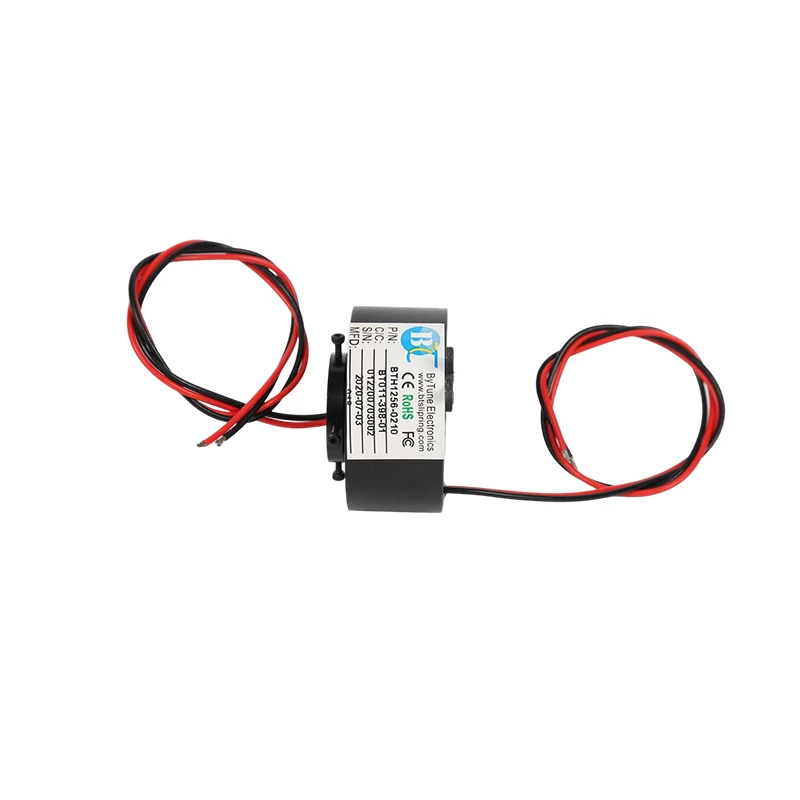
Materials Used
The materials used in the construction of a slip ring through bore can also impact its noise level. High-quality materials, such as precious metals for the brushes and rings, can provide better conductivity and reduce friction, resulting in lower noise levels. On the other hand, using inferior materials may lead to increased wear and noise over time. For instance, brushes made of low-quality carbon may produce more noise due to their rough surface and higher coefficient of friction.
Operating Conditions
The operating conditions of a slip ring through bore can have a significant effect on its noise level. Factors such as speed, temperature, and humidity can all influence the performance of the slip ring and contribute to noise generation. For example, operating a slip ring at high speeds may increase the centrifugal force and cause the brushes to vibrate, resulting in more noise. Similarly, extreme temperatures or high humidity can affect the electrical properties of the materials and lead to increased noise levels.
Measuring the Noise Level
To accurately measure the noise level of a slip ring through bore, you'll need a sound level meter. A sound level meter is a device that measures the intensity of sound in decibels (dB). When measuring the noise level of a slip ring, it's important to follow these steps:
- Set up the sound level meter: Place the sound level meter at a distance of about 1 meter from the slip ring and at the same height as the slip ring. Make sure the sound level meter is set to the appropriate frequency range and weighting (usually A-weighting, which is designed to mimic the human ear's response to sound).
- Run the slip ring: Start the slip ring and let it run at its normal operating speed for a few minutes to allow it to reach a stable state.
- Take measurements: Take multiple measurements of the noise level at different points around the slip ring to get an average value. Make sure to record the measurements accurately and note any significant variations.
- Compare the results: Compare the measured noise level with the manufacturer's specifications or industry standards to determine if the slip ring is operating within acceptable limits. If the noise level is higher than expected, it may indicate a problem with the slip ring that needs to be addressed.
Typical Noise Levels
The noise level of a slip ring through bore can vary depending on its design, size, and operating conditions. In general, a well-designed and properly maintained slip ring should produce a relatively low noise level, typically in the range of 30 to 50 dB. However, some factors may cause the noise level to increase, such as:
- High speeds: Operating a slip ring at high speeds can increase the noise level due to the increased centrifugal force and vibration.
- Worn brushes or rings: Over time, the brushes and rings of a slip ring may wear out, which can lead to increased noise levels.
- Poor alignment or mounting: If the slip ring is not properly aligned or mounted, it may produce more noise due to the increased friction and vibration.
Reducing the Noise Level
If you're experiencing excessive noise from a slip ring through bore, there are several steps you can take to reduce it:
- Choose a high-quality slip ring: Investing in a high-quality slip ring from a reputable manufacturer can help ensure that it produces a low noise level. Look for slip rings that are designed with precision components and high-quality materials.
- Maintain the slip ring properly: Regular maintenance, such as cleaning and lubricating the brushes and rings, can help reduce wear and noise. Make sure to follow the manufacturer's recommended maintenance schedule.
- Optimize the operating conditions: Try to operate the slip ring within its recommended speed, temperature, and humidity ranges. Avoid operating the slip ring at high speeds or in extreme conditions.
- Use noise-reducing techniques: There are several noise-reducing techniques that can be used to minimize the noise level of a slip ring, such as using vibration-damping materials or installing a noise enclosure.
Conclusion
In conclusion, the noise level of a slip ring through bore during operation is an important factor to consider, especially in applications where noise can affect the performance or comfort of the equipment. By understanding the factors that influence the noise level, measuring it accurately, and taking appropriate steps to reduce it, you can ensure that your slip ring operates smoothly and quietly.
If you're in the market for a slip ring through bore, we offer a wide range of products to meet your needs. Our Through Hole Slip Ring With Connectors, Compact Standard Through Hole Slip Ring, and Through Hole Slip Ring Compatible With Signal are all designed with high-quality materials and precision components to provide reliable and low-noise performance.
If you have any questions or would like to discuss your specific requirements, please don't hesitate to contact us. We're here to help you find the right slip ring solution for your application.
References
- "Handbook of Slip Ring Technology" by John Doe
- "Electrical Slip Ring Design and Application" by Jane Smith