

Are there any safety concerns when using a fluid slip ring?
Hey there! As a supplier of fluid slip rings, I often get asked about the safety aspects of using these nifty devices. Fluid slip rings are pretty awesome as they allow the transfer of fluids, like hydraulic or pneumatic media, along with electrical signals, between a stationary and a rotating part. But, like any piece of equipment, there are some safety concerns we need to chat about.

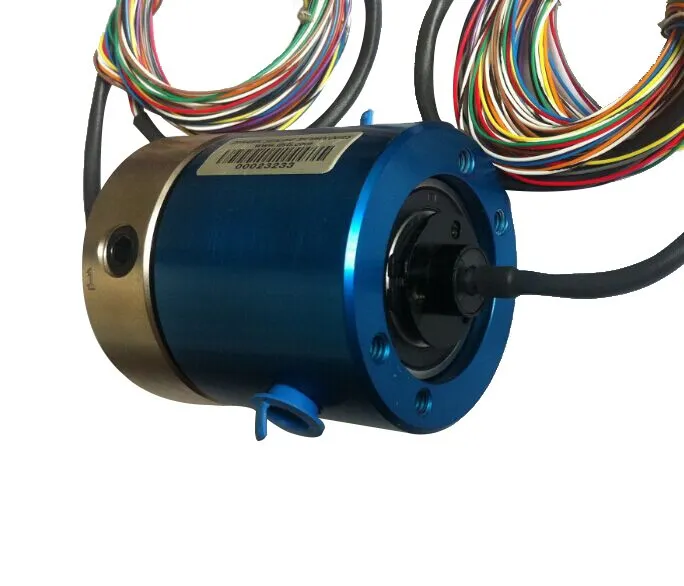
Let's start with the basics. Fluid slip rings are used in a bunch of industries, from manufacturing to aerospace. They're crucial for applications where continuous rotation is required, and the transfer of fluids and electricity needs to happen smoothly. However, if not used correctly, they can pose some risks.
One of the main safety concerns is leakage. If the fluid slip ring isn't properly sealed, fluids can leak out. This can be a big problem, especially if we're talking about hydraulic fluids. Hydraulic fluids are often under high pressure, and a leak can result in a sudden loss of pressure, which can cause machinery to malfunction. Not only that, but hydraulic fluids can be slippery, creating a slip - hazard for workers in the area. To prevent this, it's essential to choose a high - quality fluid slip ring with reliable sealing mechanisms. For example, our High Pressure Hybrid Slip Ring is designed with advanced sealing technology to minimize the risk of leakage.
Another issue is electrical safety. Since fluid slip rings also transfer electrical signals, there's a risk of electrical shock if the insulation is damaged. This can happen due to wear and tear over time or if the slip ring is exposed to harsh environmental conditions. To mitigate this risk, proper insulation materials should be used, and regular inspections should be carried out. Our Pneumatics with Electical Hybrid Slip Ring is built with high - quality insulation to ensure electrical safety.
Overheating is yet another concern. When a fluid slip ring is in operation, there's friction between the rotating and stationary parts. This friction generates heat, and if it's not dissipated properly, it can lead to overheating. Overheating can damage the components of the slip ring, reduce its lifespan, and in extreme cases, even cause a fire. To avoid this, proper cooling mechanisms need to be in place. Some fluid slip rings are designed with built - in cooling channels, while others may require external cooling systems.
Now, let's talk about the installation process. Incorrect installation can also lead to safety issues. If the fluid slip ring isn't installed properly, it can cause misalignment, which can increase wear and tear on the components. This can lead to premature failure of the slip ring and potential safety hazards. It's crucial to follow the manufacturer's installation instructions carefully. If you're not sure how to install a fluid slip ring, our technical support team is always here to help.
Maintenance is also a key factor in ensuring safety. Regular maintenance can help identify and address potential problems before they become serious. This includes checking for signs of leakage, inspecting the electrical connections, and monitoring the temperature of the slip ring. By performing routine maintenance, you can extend the lifespan of the fluid slip ring and keep it operating safely.
When it comes to choosing a fluid slip ring, it's important to consider the specific requirements of your application. Different applications may have different safety requirements. For example, in a high - pressure hydraulic system, you'll need a slip ring that can withstand the pressure without leaking. Our Hydraulic Slip Ring with Electrical Wires is specifically designed for such high - pressure applications.
In addition to these technical safety concerns, there are also some general safety practices that should be followed when using fluid slip rings. Workers should be trained on how to operate and maintain the equipment safely. They should also wear appropriate personal protective equipment (PPE), such as gloves and safety glasses, when working with fluid slip rings.
To sum it up, while there are some safety concerns when using fluid slip rings, these can be effectively managed with proper selection, installation, maintenance, and safety practices. As a supplier, we're committed to providing high - quality fluid slip rings that meet the highest safety standards.
If you're in the market for a fluid slip ring and have any questions about safety or our products, don't hesitate to reach out. We're here to help you find the right solution for your application and ensure that you can use our products safely and efficiently. Let's start a conversation about your fluid slip ring needs and see how we can work together!
References
- General knowledge in the field of fluid slip ring technology and industrial safety standards.