


Does Slip Rings on Alternator Need Maintenance?
Slip rings on alternators require minimal preventive maintenance under normal conditions but benefit from periodic inspection and cleaning when accessible during alternator service. These copper or copper alloy rings wear gradually through friction with carbon brushes, typically lasting 150,000-300,000 miles before requiring attention.
Unlike many alternator components that fail suddenly, slip rings on alternators degrade slowly and predictably. Most vehicle owners never need to service them separately, as they usually last the vehicle's lifetime or fail alongside other alternator parts like brushes or bearings.
Understanding Slip Rings on Alternator Function
Slip rings on alternators serve as rotating electrical contacts that transfer current to the rotor windings while spinning. The alternator rotor contains two slip rings mounted on plastic insulation material, with each ring connected to one end of the rotor coil. Carbon brushes held by springs maintain constant contact with these rings, completing the electrical circuit.
The rotor needs continuous electrical excitation to generate the magnetic field that induces voltage in the stator windings. Because the rotor spins at engine speed while requiring this electrical connection, slip rings provide the mechanical solution. They're typically made from copper or brass alloys chosen for conductivity and wear resistance.
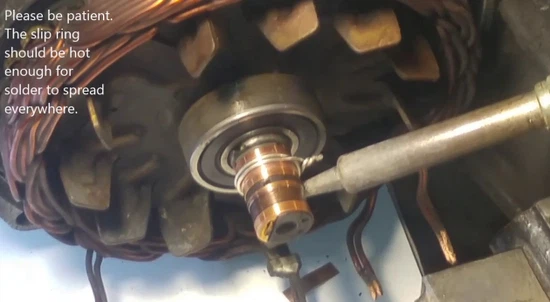
During operation, slip rings on alternators experience constant friction as brushes slide across their surface. This generates heat, graphite dust from brush wear, and gradual material loss. The rings must maintain smooth, round surfaces for consistent electrical contact-any irregularities cause voltage fluctuations or charging failures.
When Slip Rings on Alternator Require Maintenance
Most automotive slip rings need attention only when visible wear symptoms appear or during major alternator rebuilds. Unlike scheduled maintenance items, they don't follow fixed service intervals.
Visible Wear Indicators
Worn slip rings show specific physical changes. Deep grooves exceeding 0.5mm indicate excessive wear, particularly when one ring wears faster than the other due to current flow differences. Threading patterns-circumferential grooves around the ring-signal contamination from abrasive dust, oil, or incompatible brush grades.
Surface discoloration or burn marks result from arcing when brush contact becomes intermittent. Black carbon deposits are normal, but crusty buildup interferes with conductivity. When rings wear down to the plastic insulator base, replacement becomes mandatory as metal-to-metal contact is lost.
Performance Symptoms
Electrical symptoms often appear before physical damage is obvious. Intermittent charging where the battery light flickers on and off indicates poor brush-to-ring contact from worn components. Voltage readings that fluctuate between 12.5V and 14V at steady engine speeds suggest irregular contact surfaces.
Complete charging failure occurs when brushes can no longer reach worn slip rings. Some alternators produce unusual noises-squeaking or clicking sounds from brushes bouncing on uneven ring surfaces. Radio interference or electrical noise increases as arcing intensifies at worn contact points.
High-mileage vehicles beyond 200,000 miles warrant inspection during any alternator work. Alternators exposed to oil leaks, road salt, or dusty environments accumulate contaminants that accelerate slip ring wear regardless of mileage.
Slip Ring Cleaning and Inspection Procedures
Proper inspection requires alternator disassembly to access the slip rings on the rotor assembly. Most designs place them inside the rear housing behind the voltage regulator.
Visual Inspection Steps
Remove the voltage regulator to expose the brushes and slip rings. Examine both rings for uniform wear-they should show similar surface conditions. Measure ring diameter with calipers if specifications are available; most manufacturers specify minimum diameters before replacement becomes necessary.

Check for deep grooves by running a fingernail across the surface. Shallow wear patterns under 0.3mm are acceptable, but deeper grooves affect contact quality. Look for discoloration patterns indicating hot spots or uneven wear. Oil contamination leaves a film that requires degreasing before assessing true surface condition.
Inspect brushes simultaneously, as their wear directly relates to ring condition. Brushes worn below 5mm length need replacement. Mismatched brush lengths indicate electrical problems in the regulator circuit.
Cleaning Techniques
For dirty but otherwise sound slip rings, cleaning restores proper function. Use a lint-free cloth dampened with electrical contact cleaner or acetone to remove carbon dust and light oil films. Avoid abrasive cleaners that scratch the copper surface.
For light surface contamination, spin the rotor while holding 400-grit or finer sandpaper gently against the rings. Never sand by hand without rotating the rotor-this creates flat spots causing brush noise and premature wear. Polish with fine cloth after sanding to remove any remaining particles.
Severe contamination or minor surface irregularities may require machining. Mount the rotor in a lathe and turn slip rings true to within 0.002 inches total indicator reading. Remove only enough material to achieve smooth, round surfaces. Finish with 400-grit polishing cloth before reassembly.
Industrial applications sometimes polish slip rings with canvas cloth and soft wood sticks during routine maintenance. This gentle approach prevents removing excessive material while maintaining surface quality.
Slip Ring Replacement on Alternators
Slip ring replacement becomes necessary when wear extends beyond cleanable limits or rings become oval beyond specification. While possible, replacement requires mechanical skills and specific procedures.
Replacement Difficulty and Cost
Slip ring assemblies for common alternators cost between $15-40 depending on alternator type. Bosch, Denso, Valeo, and Delco alternators use different slip ring designs, so exact part matching is critical. Some online suppliers like alternatorbrush.com and maniacelectricmotors.com specialize in these components.
Physical replacement varies in complexity. Some rotors allow slip rings to be pressed off after removing rear bearings, while others require cutting through plastic assembly or grinding spot welds. Certain Bosch designs necessitate rotor fan removal and rebalancing, making professional service more practical.
Budget-oriented mechanics sometimes reverse wire connections to swap which slip ring handles higher current, effectively extending service life by using the less-worn ring for the heavier load. This works because alternator polarity doesn't affect stator output, though it's considered a temporary fix.
When to Replace vs. Rebuild
Complete alternator replacement often makes more economic sense than slip ring-only replacement. Remanufactured alternators with warranties cost $100-300, providing new slip rings, brushes, bearings, and regulators. DIY slip ring replacement saves money only when other alternator components remain serviceable.
Consider rebuilding with new slip rings on vehicles with high alternator replacement costs or when original equipment quality exceeds aftermarket alternatives. Late-model vehicles may have PCM-integrated voltage control making aftermarket alternators incompatible.
Factors Affecting Slip Ring Lifespan
Multiple variables determine how long slip rings on alternators last before requiring service.
Operating Conditions Impact
Extreme temperatures accelerate wear. Desert heat above 120°F increases brush friction and promotes oxidation on ring surfaces. Severe cold below 0°F makes carbon brushes brittle, increasing mechanical stress on slip rings. Stop-and-go driving with constant alternator load cycling wears components faster than steady highway miles.
Environmental contamination significantly reduces lifespan. Oil leaks from valve covers or other engine seals coat slip rings, attracting abrasive particles. Road salt in winter climates causes corrosion and pitting. Dusty or agricultural environments introduce fine particles that embed in brushes, acting like grinding compounds against copper rings.
Electrical stress matters too. High-output alternators supplying power to aftermarket accessories, winches, or audio systems run hotter and wear faster. Weak batteries forcing the alternator to maximum output constantly accelerate slip ring deterioration.
Design and Material Quality
Original equipment alternators typically use higher-grade copper alloys in slip rings compared to economy rebuilds. Better materials resist wear and maintain surface finish longer. Some premium designs employ silver-infused copper for enhanced conductivity and corrosion resistance.
Brush composition affects ring wear rates. Pure carbon brushes are soft and preserve slip rings but conduct less efficiently. Metal-graphite blends improve conductivity but wear rings faster. Factory-specified brush grades balance these tradeoffs for each alternator design.
Manufacturing precision influences longevity. Slip rings machined to tight tolerances with proper balance last longer than rough-finished components. Plastic insulator quality matters-inferior materials crack under heat stress, allowing ring movement and irregular wear patterns.
Preventive Maintenance Recommendations
While slip rings on alternators don't require scheduled maintenance, certain practices extend their service life.
During Alternator Service
Whenever alternators are removed for other issues, inspect slip rings opportunistically. Clean visible carbon dust accumulation and check for wear patterns. This five-minute inspection can identify developing problems before they cause failures.
If replacing brushes or regulators, always clean slip rings simultaneously. New brushes against contaminated rings wear prematurely and never achieve proper contact.
Regular Electrical System Checks
Monitor charging system voltage periodically using a multimeter. Readings should remain steady at 13.5-14.5 volts across all RPM ranges. Fluctuations exceeding 0.5 volts suggest developing slip ring or brush problems.
Battery condition directly impacts alternator longevity. Weak batteries force constant high-output charging, accelerating slip ring wear. Replace aging batteries before they stress the charging system.
Keep engine compartments clean to minimize contaminant exposure. Address oil leaks promptly-even minor seepage eventually reaches the alternator. In harsh environments, consider alternator protective covers or regular cleaning.
Common Slip Ring Problems and Solutions
Several distinct failure patterns affect slip rings on alternators, each with specific solutions.
Uneven Wear Between Rings
One slip ring frequently wears significantly faster than the other, creating deep grooves while the companion ring appears normal. This occurs because DC current flows in through one ring and out through the other, with the positive terminal typically experiencing higher current and faster wear.
The threading defect presents as spiral grooves around the ring circumference. Causes include incompatible brush materials, abrasive contamination from dust or failed bearings, oil exposure, or chemical attack from battery fumes. This pattern doesn't immediately affect alternator function but predicts eventual failure.
Solutions include identifying and eliminating the contaminant source before slip ring replacement. Using OEM brush grades prevents recurrence. Some technicians reverse rotor wiring to transfer wear to the less-damaged ring as a temporary measure.
Electrical Noise and Interference
Worn slip rings create electromagnetic interference affecting radios, navigation systems, and other electronics. Arcing between brushes and rings generates radio-frequency noise that couples into vehicle wiring. This manifests as static, clicking sounds, or display glitches synchronized with engine speed.
The interference intensifies under electrical load as increased current makes poor contact points arc more severely. Some cases involve visible sparking inside the alternator.
Addressing this requires restoring smooth slip ring surfaces through cleaning or machining. If surfaces remain pitted after cleaning, replacement becomes necessary. Installing bypass capacitors on alternator output can suppress noise temporarily but doesn't solve the root cause.
Seized or Contaminated Surfaces
Oil or grease infiltration creates a insulating film preventing proper electrical contact. Unlike dry carbon dust that brushes wipe away, petroleum contamination attracts and binds particles into a resistive coating.
Symptoms include low charging voltage, slow cranking from discharged batteries, and alternator failure after extended periods without running. The battery maintains the system temporarily, masking slip ring problems until completely discharged.
Cleaning requires complete degreasing with electrical-safe solvents. Gasoline should never be used due to fire risk. After thorough cleaning, verify brush spring tension-contamination often reduces effective pressure. Source and repair the oil leak causing contamination to prevent immediate reoccurrence.
Frequently Asked Questions
How long do slip rings on alternators typically last?
Under normal conditions, slip rings last 150,000-300,000 miles or 10-15 years. Most vehicles never require slip ring service during their operational lifetime. High-output alternators, severe operating conditions, or contamination exposure reduce this considerably. Well-maintained vehicles in mild climates may exceed 400,000 miles on original slip rings.
Can you drive with worn slip rings?
Moderately worn slip rings allow continued driving with reduced charging reliability. Complete failures cause eventual battery depletion and vehicle stalling. If voltage remains stable and the battery light stays off, immediate repair isn't critical. Fluctuating voltage or intermittent charging requires prompt attention to prevent being stranded. Carry jumper cables or a battery jump pack when experiencing charging symptoms.
Should I replace just slip rings or the entire alternator?
Economics favor complete alternator replacement for most situations. If slip rings are worn, brushes and bearings likely need service too. Quality remanufactured alternators with warranties cost less than $200-300, while DIY slip ring replacement saves perhaps $100 but risks other component failures. Replace slip rings only when other alternator parts test good and replacement cost exceeds $500.
What causes one slip ring to wear faster than the other?
Asymmetric current flow causes uneven wear. The positive slip ring typically handles slightly higher current due to alternator field winding characteristics. Environmental factors like oil contamination, bearing dust, or improper brush materials accelerate the effect. Voltage regulator problems causing excessive field current worsen the imbalance. Both rings should show similar wear patterns; extreme differences indicate electrical or contamination issues requiring investigation beyond slip ring replacement.
Maintenance Best Practices for Extended Life
Implementing systematic approaches maximizes slip ring longevity and prevents unexpected failures.
Start with quality components. When alternators do require replacement, choose remanufactured units from reputable sources over economy parts. Better slip rings and brushes in quality rebuilds outlast cheaper alternatives significantly. Verify specifications match the original-higher-output alternators stress slip rings more than standard units.
Maintain clean alternators by periodic external cleaning. Engine degreasers sprayed carefully around-not directly on-alternators remove oil and grime before they penetrate internal components. Avoid pressure washing alternators as water intrusion accelerates corrosion.
Address related systems promptly. Fix oil leaks near alternators immediately. Replace worn serpentine belts before they fail and introduce rubber dust contamination. Maintain proper belt tension to prevent alternator bearing wear that contaminates slip rings.
Monitor electrical system health through periodic voltage checks. Test at idle and higher RPM with loads on and off. Stable readings indicate healthy components while variations suggest developing problems. Many auto parts stores test charging systems free, providing baseline data for comparison.
Document alternator service history. Recording replacement dates, mileage, and failure symptoms helps identify patterns. Frequent alternator failures signal underlying electrical problems rather than component defects. Address excessive load, poor connections, or battery issues causing premature wear.
Data Sources
AutoEdu - Slip Ring Inspection Procedures (March 2024)
Bosch Auto Parts - How Alternator Slip Rings Work
BobIsTheOilGuy Forums - Alternator Slip Ring Wear Discussion (March 2024)
Motor Vehicle Maintenance Stack Exchange - Slip Ring Repair Procedures
Cummins Forum - Bosch Alternator Slip Ring Replacement Tutorial
BimmerFest BMW Forum - Slip Ring Wear Analysis (2024)
Grand Technology - Slip Ring Maintenance Guide (February 2025)