

Introduction
Slip rings are electromechanical components used in rotating equipment and machinery to transmit power and signals. To function properly, the surface of slip rings is often coated with metal coatings to enhance conductivity during transmission and reduce friction.
However, if the metal coating peels off, it can severely disrupt the electrical connection, leading to increased resistance, sparking, and in the worst - case scenario, equipment shutdown. Therefore, ByTune will explore in - depth with you today how to prevent the peeling of slip ring metal coatings for more stable equipment operation.
What are Slip Rings and Their Metal Coating Materials?
The various parts of slip rings are typically made of materials such as brass, bronze, stainless steel, and aluminum. The metal coating is the material applied to the surface of these parts. It generally consists of multiple layers of materials like chromium, nickel, and copper, which enhance the wear - resistance and conductivity of the slip rings.
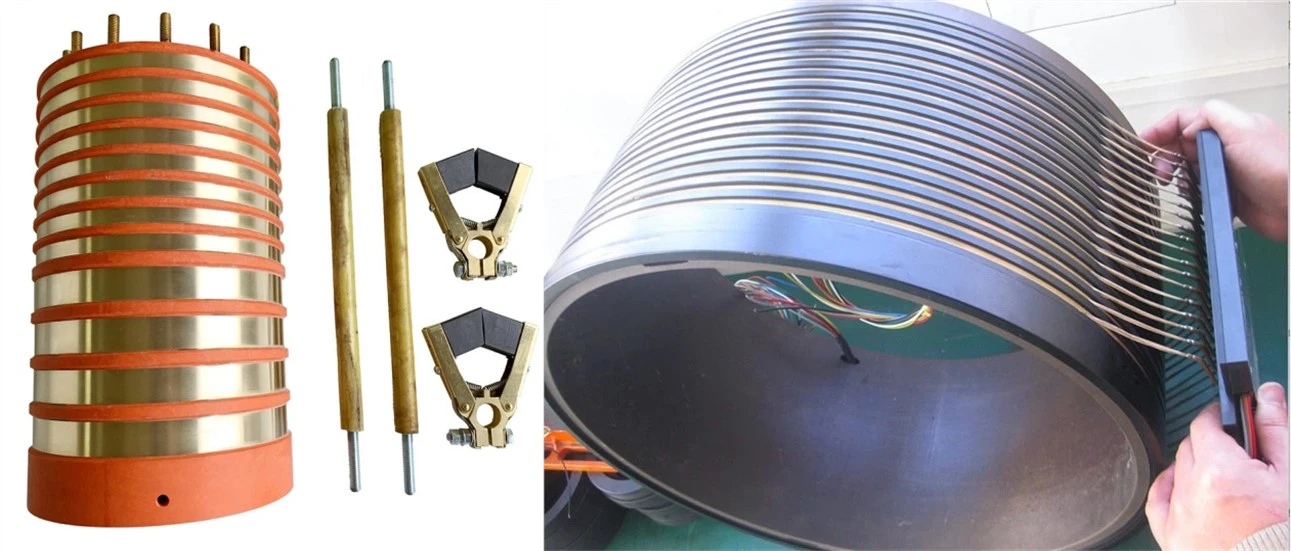
How are Metal Coatings Applied to Slip Rings?
• Electroplating: Electroplating involves depositing a layer of metal or alloy coating on the slip ring surface through electrolysis, such as copper plating, nickel plating, or chromium plating.
• Anodizing: This method is mainly used for aluminum and aluminum - alloy slip rings. The process forms an oxide film on their surface, increasing the hardness of the slip rings.
• Applying Lubricants: To reduce the resistance of slip rings, lubricants are applied to their surface, such as solid lubricants like molybdenum disulfide and graphite, or lubricating oils and grease - based lubricants.
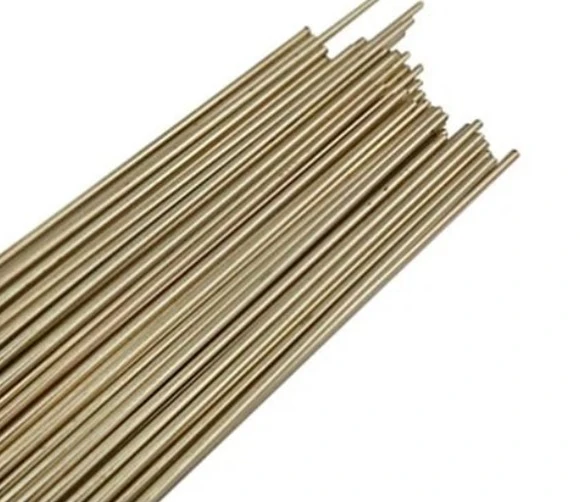
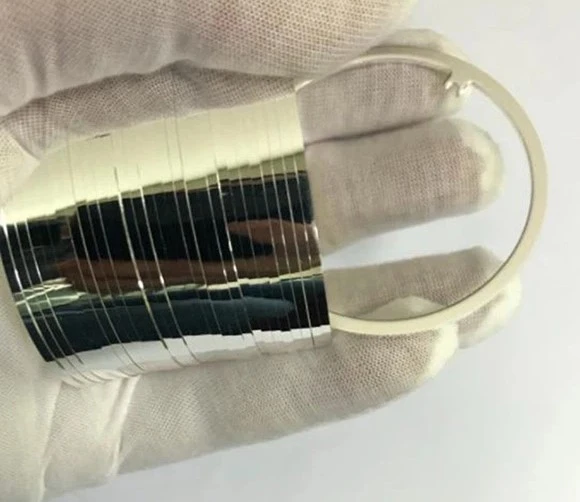
Measures to Prevent Slip Ring Metal Coating Peeling
⑴ Strict Quality Control: The production process of slip rings should follow quality assurance agreements like ISO, especially in aspects such as raw material composition, coating preparation, and slip ring assembly.
⑵ Proper Coating Sequence: The layers of the metal coating should be applied in a specific order with appropriate pressure. For example, a common sequence is to plate copper first, then nickel, and finally chromium. Copper has high base - layer adhesion, nickel enhances wear - resistance, and chromium improves the surface hardness and gloss of the slip ring.
⑶ Control Coating Thickness: The coatings of different materials should maintain a uniform thickness. Otherwise, local stress - concentrated areas will appear on the slip ring surface, which will start to peel off first during use.
⑷ Adopt Protective Measures: Depending on the working environment of the slip ring, ByTune usually selects suitable lubricants or protective coatings for the slip ring. For instance, in high - temperature environments, solid lubricants like molybdenum disulfide are used. Reducing friction during the rotation of the slip ring also reduces the likelihood of metal coating peeling.
⑸ Optimize Structural Design: Additionally, the slip ring can be designed into a more rounded structure, reducing sharp corners and protruding parts. These designs can lower the probability of scratching during use.
Conclusion
Now that we understand the materials and processes of slip ring metal coatings, as well as how to protect these coatings, including quality control, coating sequence optimization, and coating thickness control. In practical applications, you can also combine these methods according to the usage scenarios of the slip ring. If you have any confusion, please feel free to contact ByTune's professional team.