

As a supplier of separate rotor rings, I've seen firsthand how crucial it is to analyze their performance accurately. A well - performing separate rotor ring can significantly enhance the functionality of various equipment, while a poorly performing one can lead to costly downtime and inefficiencies. In this blog, I'll share some insights on how to analyze the performance of a separate rotor ring.
Understanding the Basics of Separate Rotor Rings
Before diving into performance analysis, it's important to understand what a separate rotor ring is. In simple terms, a separate rotor ring is a component that allows for the transfer of power and signals between a stationary and a rotating part of a machine. They are used in a wide range of applications, from industrial machinery to aerospace equipment.
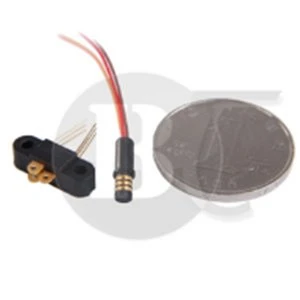
There are different types of separate rotor rings available in the market. For instance, we have the Large Separate Slip Ring With Gold Contact. Gold contacts are known for their excellent conductivity and corrosion resistance, making them ideal for high - end applications where reliability is key. Then, there's the Standard Miniature Separate Slip Ring, which is perfect for compact devices where space is limited. And the Reliable Split Slip Ring offers easy installation and maintenance, making it a popular choice for many users.
Key Performance Metrics
When analyzing the performance of a separate rotor ring, there are several key metrics to consider.
Electrical Performance
- Conductivity: This is one of the most important factors. Good conductivity ensures that power and signals are transferred efficiently without significant loss. A low - conductivity separate rotor ring can lead to power dissipation, which not only wastes energy but can also cause overheating. To measure conductivity, you can use a multimeter to check the resistance between the stationary and rotating parts. Lower resistance values generally indicate better conductivity.
- Insulation Resistance: Insulation is crucial to prevent short - circuits and electrical interference. High insulation resistance means that the electrical signals are properly contained within the intended paths. You can use an insulation resistance tester to measure this value. A high insulation resistance reading (usually in the mega - ohm range) is desirable.
Mechanical Performance
- Rotational Torque: The amount of torque required to rotate the separate rotor ring is an important consideration. Excessive torque can put stress on the motor and other components, leading to premature wear and tear. You can use a torque wrench to measure the rotational torque. A smooth - running separate rotor ring should have a relatively low and consistent torque value.
- Vibration and Noise: During operation, a well - designed separate rotor ring should run quietly and with minimal vibration. Excessive vibration can cause misalignment and damage to other parts of the equipment. You can use vibration sensors and sound level meters to monitor these parameters. If you notice any abnormal vibration or noise, it could be a sign of a problem, such as misalignment or worn - out bearings.
Environmental Performance
- Temperature Resistance: Separate rotor rings may operate in a wide range of temperatures. They need to be able to withstand high temperatures without degrading their performance. You can use temperature sensors to monitor the temperature of the separate rotor ring during operation. If the temperature exceeds the specified limits, it could lead to reduced conductivity and mechanical failure.
- Humidity and Dust Resistance: In some environments, humidity and dust can be a problem. A good separate rotor ring should be able to resist the effects of these environmental factors. You can perform environmental tests in a controlled chamber to simulate different humidity and dust conditions and observe the performance of the separate rotor ring.
Testing and Analysis Procedures
To get a comprehensive understanding of the performance of a separate rotor ring, a series of tests can be conducted.
Bench Testing
- Static Testing: This involves testing the separate rotor ring without rotation. You can measure the electrical resistance, insulation resistance, and other static parameters. Static testing can help you identify any manufacturing defects or problems with the materials.
- Dynamic Testing: Once the static tests are completed, dynamic testing can be carried out. This involves rotating the separate rotor ring at different speeds and loads and monitoring the performance parameters such as torque, vibration, and electrical performance. Dynamic testing can simulate real - world operating conditions and help you detect any issues that may occur during actual use.
Field Testing
- Real - World Installation: Installing the separate rotor ring in the actual equipment and monitoring its performance over a period of time is the best way to evaluate its long - term performance. You can collect data on power consumption, signal quality, and any maintenance issues that arise. Field testing can provide valuable insights into how the separate rotor ring performs in a real - world environment.
Troubleshooting and Improvement
If you find that the performance of the separate rotor ring is not up to par, there are several steps you can take to troubleshoot and improve it.

Identifying the Problem
- Data Analysis: Analyze the test data to identify any trends or patterns. For example, if you notice a gradual increase in resistance over time, it could be a sign of corrosion or wear.
- Visual Inspection: Conduct a visual inspection of the separate rotor ring to look for any obvious signs of damage, such as cracks, scratches, or worn - out contacts.
Taking Corrective Actions
- Repair or Replacement: Depending on the nature of the problem, you may be able to repair the separate rotor ring or replace certain components. For example, if the contacts are worn out, you can replace them with new ones.
- Design Optimization: If the problem persists, you may need to consider optimizing the design of the separate rotor ring. This could involve changing the materials, improving the insulation, or adjusting the mechanical structure.
Conclusion
Analyzing the performance of a separate rotor ring is a complex but essential process. By understanding the key performance metrics, conducting thorough testing, and taking appropriate corrective actions, you can ensure that your separate rotor ring operates at its best. Whether you're using a Large Separate Slip Ring With Gold Contact, a Standard Miniature Separate Slip Ring, or a Reliable Split Slip Ring, proper performance analysis can help you avoid costly downtime and improve the overall efficiency of your equipment.
If you're in the market for high - quality separate rotor rings or need more information on performance analysis, feel free to reach out for a procurement discussion. We're here to help you find the best solutions for your specific needs.
References
- "Electrical Engineering Handbook"
- "Mechanical Design and Analysis"
- Industry reports on separate rotor ring performance testing