

Introduction
Capsule slip rings can transmit high - speed data, video signals, and power, and feature a more lightweight structure. Thus, they are often utilized in aerospace equipment to ensure the stable operation of rockets, satellites, and other devices. However, in the extreme space environment, they also face numerous challenges. So, what are these challenges, and how can we enhance their operation in aerospace systems? Today, we'll discuss this topic together in this text.
Applications of Capsule Slip Rings in Aerospace Systems

Satellite Communication Systems
In geostationary satellites, the capsule slip rings enable the rotation of solar panel arrays to improve sunlight exposure. The European Space Agency (ESA) reports that slip rings with self - lubricating brushes can enhance the efficiency of satellites and shorten the maintenance cycle of missions like Galileo.

Radar and Surveillance
This mainly includes Airborne Early Warning Systems (AEWs). Aerospace slip rings often adopt electromagnetic interference shielding designs to prevent interference to adjacent avionics. They can rotate the radar dome at a speed of 6 RPM while transmitting hundreds of millions of bytes of data daily.
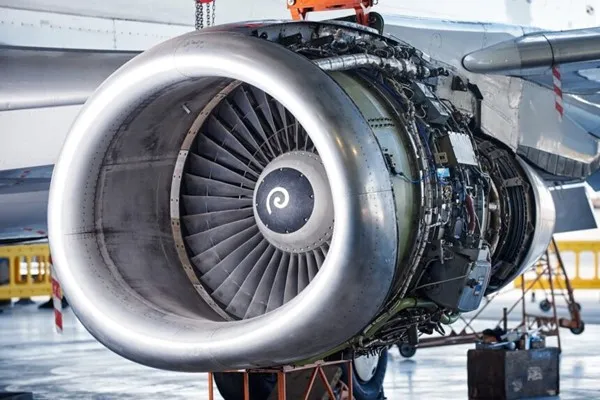
Electric Propulsion Systems
In electric aircraft, slip rings transfer the energy of fixed batteries to rotating propellers. We can use capsule slip rings with a rated current of 500 amperes to reduce energy loss during high - torque maneuvers.
What Challenges Do Capsule Slip Rings Face in Aerospace Equipment?

1. Extreme Working Environment: Aerospace high - speed rotating equipment needs to operate under extreme conditions, including high angular velocity, temperature fluctuations, and mechanical stress.
2. Wear and Maintenance: Although the materials of modern slip rings are quite advanced, mechanical wear remains an issue in high - cycle applications such as aerospace. This requires us to consider how to evenly distribute the contact pressure of slip ring components.
3. Signal Integrity at High Speeds: When the rotation speed of slip rings exceeds 5,000 RPM, capacitive coupling and crosstalk will degrade signal quality and generate significant noise.
4. Space Limitations: Aerospace equipment has limited space. Compared with other slip rings, capsule slip rings need to adopt a miniaturized structure while maintaining electrical and mechanical capabilities.
How Does ByTune Optimize the Design of These Slip Rings?
1. Electrical Performance
In aerospace equipment, capsule slip rings need to transmit power, analog signals, and high - frequency data simultaneously. We can improve their performance through the following designs:
Electrical Noise: Our independent tests have confirmed that when slip rings use gold - gold or silver - graphite brush contacts, their contact resistance and signal loss will be reduced. This is because precious metals have high electrical conductivity.
Bandwidth: Sometimes, we also integrate coaxial or Ethernet - compatible circuits into the slip ring components. This enables capsule slip rings to support data rates of up to 10 Gbps, especially in fiber optic gyroscopes and avionics systems.
Voltage and Current Ratings: Sometimes, we increase the size and number of conductive rings or install multiple layers of insulating gaskets between them. This allows these slip rings to handle voltages of up to 480 VAC/DC and currents of over 200 A, powering on - board actuators and sensors.
2. Structural Durability
More Compact Size: Through a more compact structural design, we can reduce the outer diameter of capsule slip rings to 5 millimeters. They can be easily integrated into systems with limited space, such as drone gimbals.
Protection Level: During operation, slip rings are often exposed to a dusty, humid, and extreme - temperature (- 55°C to + 125°C) working environment. At this time, we optimize the insulating materials for slip rings and use multi - channel designs, etc., to improve their sealing to IP68. The capsule slip rings produced by ByTune also meet the MIL - STD - 810G standard for military aerospace hardware.
3. Material Selection
Contact Materials: In a vacuum environment, slip rings need to maintain a low wear rate (less than 0.1 microns per million cycles). This is a common requirement for satellite applications. At this time, we use precious metal alloys (such as AuNi9) to manufacture their contacts.
Housing Materials: Aluminum alloy is used to make the housing of slip rings because it is lightweight and strong. In addition, POM or carbon - fiber - reinforced polymers are also often used to reduce the weight of drones.

Upgrade Your Aerospace Equipment with ByTune's Capsule Slip Rings
Now, we have understood the main challenges that capsule slip rings face in aerospace equipment. At the same time, we have also learned how to address these difficulties. This requires efforts in multiple aspects, including contact materials, structural optimization, integrated circuit design, and improvement of the protection level.
ByTune has rich experience in customizing slip rings for extreme environments and providing solutions. If you want to obtain more information, please feel free to contact our engineering team at: info@btslipring.com.