

Hey there! As a gas slip ring supplier, I've been getting a lot of questions about the static sealing performance of gas slip rings lately. So, I thought I'd take a moment to break it down and give you all the lowdown.
What Exactly is Static Sealing Performance?
Let's start with the basics. Static sealing performance refers to how well a gas slip ring can prevent gas leakage when it's not in motion. In other words, when the slip ring is just sitting there, not rotating, it should still keep the gas inside where it belongs. This is super important because any leakage can lead to a whole bunch of problems, like loss of pressure, reduced efficiency, and even safety hazards in some cases.
Why Does Static Sealing Matter?
You might be wondering, "Why is static sealing such a big deal?" Well, think about it. Gas slip rings are used in all sorts of applications, from industrial machinery to aerospace equipment. In these settings, maintaining a tight seal is crucial for the proper functioning of the system. For example, in a pneumatic system, a leaky gas slip ring can cause a drop in pressure, which can lead to inconsistent operation of the machinery. This can result in decreased productivity, increased downtime, and higher maintenance costs.
In addition to performance issues, gas leakage can also pose safety risks. Some gases, such as natural gas or hydrogen, are highly flammable. A leak in a gas slip ring can create a potential fire or explosion hazard. So, ensuring good static sealing performance is not just about efficiency; it's also about keeping people and property safe.
Factors Affecting Static Sealing Performance
Now that we understand why static sealing is important, let's take a look at some of the factors that can affect the static sealing performance of a gas slip ring.
Material Selection
The materials used in the construction of the gas slip ring play a crucial role in its sealing performance. The seals themselves are typically made from elastomers, such as rubber or silicone. These materials need to be resistant to the gas being used, as well as to any chemicals or contaminants that may be present in the environment. For example, if the gas slip ring is used in a chemical processing plant, the seals need to be resistant to the corrosive effects of the chemicals.
In addition to the seals, the housing and other components of the gas slip ring also need to be made from materials that are compatible with the gas and the operating conditions. For example, in high-temperature applications, the housing may need to be made from a heat-resistant material, such as stainless steel or ceramic.
Design and Manufacturing Quality
The design of the gas slip ring also has a significant impact on its static sealing performance. A well-designed gas slip ring will have seals that are properly sized and shaped to provide a tight fit. The housing should be designed to minimize the potential for gas leakage, and the manufacturing process should ensure that the components are assembled with precision.
For example, if the seals are not installed correctly, they may not provide a proper seal, even if they are made from high-quality materials. Similarly, if the housing has any defects or irregularities, it can create gaps or channels through which gas can leak.
Operating Conditions
The operating conditions of the gas slip ring can also affect its static sealing performance. Factors such as temperature, pressure, and vibration can all have an impact on the seals. For example, high temperatures can cause the elastomers to expand or contract, which can affect the seal. Similarly, high pressures can put additional stress on the seals, making them more prone to leakage.
Vibration can also be a problem, as it can cause the seals to move or shift, which can break the seal. In some cases, it may be necessary to use additional vibration damping or isolation techniques to ensure that the gas slip ring operates properly.

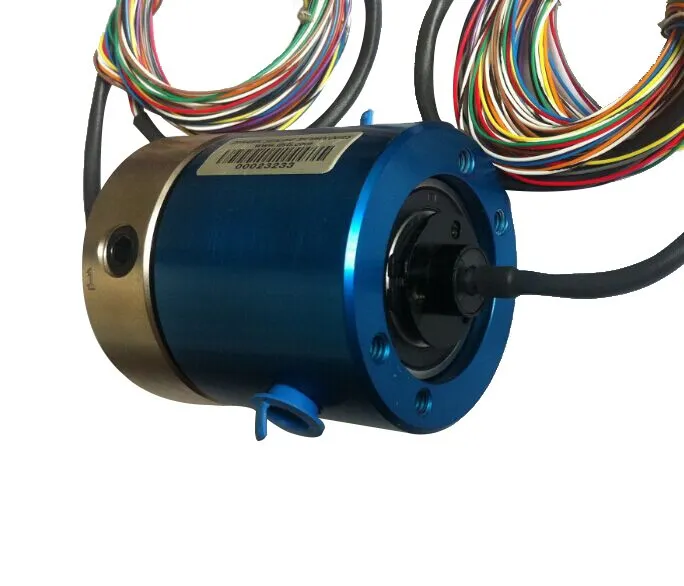
Our Gas Slip Rings and Static Sealing Performance
At our company, we take static sealing performance very seriously. We use only the highest quality materials in the construction of our gas slip rings, and our seals are carefully selected to ensure compatibility with a wide range of gases and operating conditions.
Our Single Port Hydraulic Slip Ring BTY - 01A is a great example of our commitment to quality. It features a robust design and high - quality seals that provide excellent static sealing performance. Whether you're using it in a simple pneumatic system or a more complex industrial application, you can count on it to keep the gas where it belongs.
Another product that offers outstanding static sealing is our One Channel Hydraulic Slip Ring (BTY - 01D). This slip ring is designed for applications where space is limited, but performance cannot be compromised. The seals are precision - engineered to provide a tight fit, even under challenging operating conditions.
If you need a gas slip ring that combines hydraulic and electrical functionality, our Hydraulic Slip Ring with Electrical Wires is the perfect choice. It has been designed with advanced sealing technology to ensure that both the hydraulic fluid and the electrical signals are properly contained, providing reliable performance and excellent static sealing.
How to Ensure Optimal Static Sealing Performance
To get the best static sealing performance from your gas slip ring, there are a few things you can do.
Proper Installation
Make sure that the gas slip ring is installed correctly. Follow the manufacturer's instructions carefully, and ensure that all the components are tightened to the correct torque. Improper installation can lead to leaks, even if the slip ring is of high quality.
Regular Maintenance
Regular maintenance is also essential. Inspect the seals regularly for signs of wear or damage, and replace them if necessary. Clean the gas slip ring periodically to remove any dirt or contaminants that may affect the sealing performance.
Monitor Operating Conditions
Keep an eye on the operating conditions of the gas slip ring. If you notice any changes in temperature, pressure, or vibration, investigate the cause and take appropriate action. This can help prevent problems before they occur and ensure that the gas slip ring continues to operate efficiently.
Contact Us for Your Gas Slip Ring Needs
If you're in the market for a gas slip ring with excellent static sealing performance, look no further. We're here to help you find the right solution for your specific application. Whether you need a single - port slip ring or a multi - channel system, we have the expertise and the products to meet your needs.
Don't hesitate to reach out to us if you have any questions or if you'd like to discuss your requirements in more detail. We're always happy to help and look forward to working with you to find the perfect gas slip ring solution.
References
- ASME PTC 19.8 - 2018, "Test Code on Seals"
- ISO 16092 - 2011, "Rotary shaft lip - type seals - Vocabulary"
- Elastomer Handbook, edited by Werner Hofmann, Hanser Publishers