

Hey there! As a hydraulic slip ring supplier, I've been getting a lot of questions lately about the relationship between the size and the flow rate of a hydraulic slip ring. So, I thought I'd take some time to break it down for you in this blog post.
First off, let's talk about what a hydraulic slip ring is. A hydraulic slip ring is a device that allows the transfer of hydraulic fluid from a stationary source to a rotating component. It's commonly used in a variety of applications, such as industrial machinery, robotics, and aerospace systems. The main function of a hydraulic slip ring is to ensure a continuous and reliable flow of hydraulic fluid, even when the component is rotating.
Now, let's get into the relationship between the size and the flow rate of a hydraulic slip ring. The size of a hydraulic slip ring is typically determined by its outer diameter, inner diameter, and length. These dimensions play a crucial role in determining the flow rate of the slip ring.
In general, a larger hydraulic slip ring will have a higher flow rate than a smaller one. This is because a larger slip ring has a greater cross-sectional area, which allows more hydraulic fluid to pass through it. Think of it like a water pipe – a wider pipe can carry more water than a narrower one. So, if you need a high flow rate for your application, you'll probably want to go for a larger hydraulic slip ring.
However, it's not just about the size. The design of the hydraulic slip ring also affects the flow rate. For example, the number and size of the fluid channels in the slip ring can have a significant impact on how much fluid can flow through it. A slip ring with more and larger channels will generally have a higher flow rate.
Another factor to consider is the pressure drop across the slip ring. Pressure drop is the decrease in pressure that occurs as the hydraulic fluid flows through the slip ring. A higher pressure drop means that more energy is being lost, which can reduce the efficiency of the system. In general, larger slip rings tend to have a lower pressure drop, which is beneficial for maintaining a high flow rate.
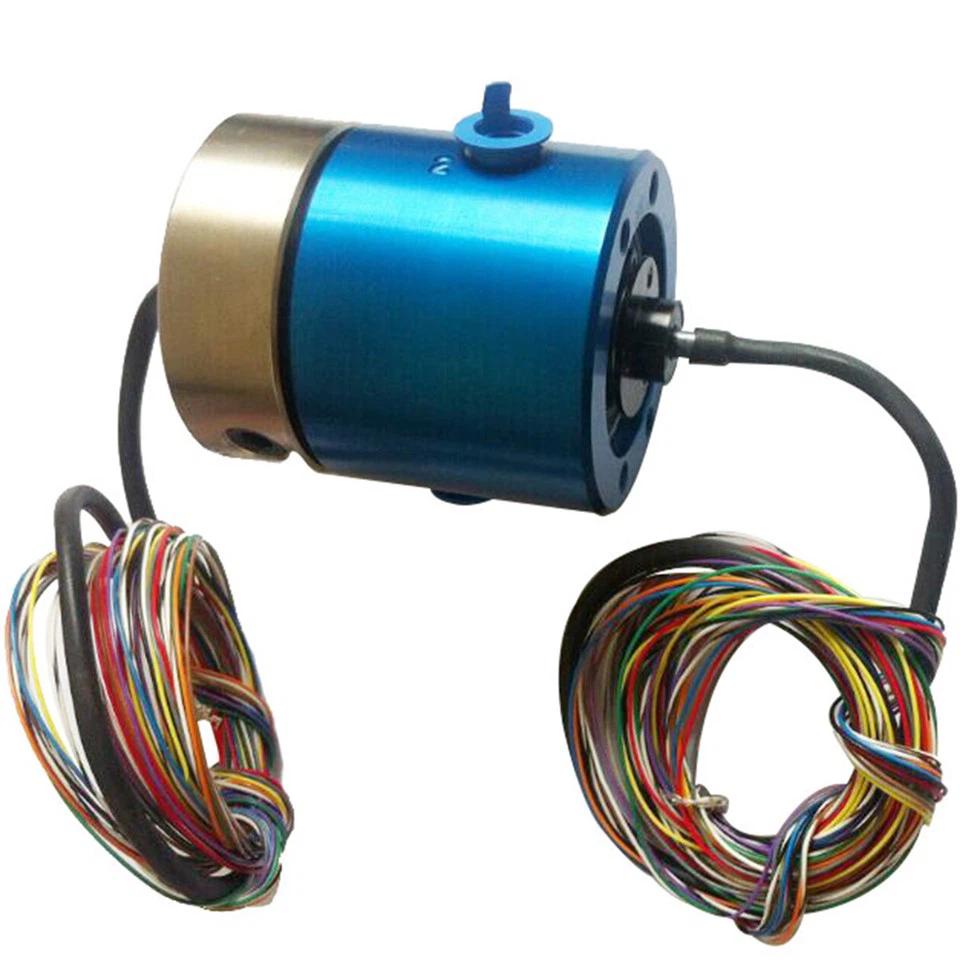
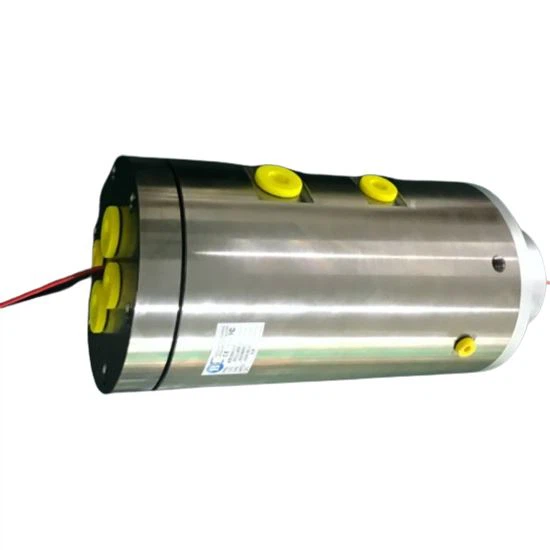
Let's take a look at some real-world examples. Suppose you're working on an industrial machine that requires a high flow rate of hydraulic fluid to operate efficiently. In this case, you might choose a larger hydraulic slip ring, such as our High Pressure Hybrid Slip Ring. This type of slip ring is designed to handle high pressures and large flow rates, making it ideal for heavy-duty applications.
On the other hand, if you're working on a smaller-scale project, like a robotic arm, you might not need as high of a flow rate. In this case, a smaller hydraulic slip ring, like our Hydraulic Slip Ring with Electrical Wires, could be a better choice. This slip ring is more compact and can still provide a sufficient flow rate for your needs.
It's also worth mentioning that the flow rate requirements of your application will depend on a variety of factors, such as the type of hydraulic system you're using, the speed of rotation, and the load on the system. So, it's important to carefully consider these factors when choosing a hydraulic slip ring.
In addition to size and design, the material used to make the hydraulic slip ring can also affect its performance. For example, slip rings made from high-quality materials, such as stainless steel or aluminum, are more durable and can withstand higher pressures and temperatures. This can help to ensure a longer lifespan and more reliable operation.
Now, let's talk about some of the benefits of choosing the right size and flow rate for your hydraulic slip ring. First of all, a properly sized slip ring will ensure that your hydraulic system operates efficiently. This means that you'll get better performance, lower energy consumption, and less wear and tear on your equipment.
Secondly, choosing the right flow rate can help to prevent issues such as cavitation and overheating. Cavitation occurs when the pressure in the hydraulic fluid drops below the vapor pressure, causing bubbles to form. These bubbles can damage the components of the hydraulic system and reduce its efficiency. By ensuring a sufficient flow rate, you can prevent cavitation from occurring.
Overheating is another common problem in hydraulic systems. When the flow rate is too low, the hydraulic fluid can heat up, which can cause damage to the seals and other components. By choosing a slip ring with the right flow rate, you can help to keep the hydraulic fluid cool and prevent overheating.
So, how do you go about choosing the right size and flow rate for your hydraulic slip ring? The first step is to determine the flow rate requirements of your application. You can do this by consulting the specifications of your hydraulic system or by working with a hydraulic engineer.
Once you have an idea of the flow rate you need, you can start looking at different sizes and designs of hydraulic slip rings. It's a good idea to choose a supplier that offers a wide range of options, so you can find the slip ring that best meets your needs.
At our company, we offer a variety of hydraulic slip rings, including Hydraulic Slip Ring with Electrical Wires, Pneumatics with Electical Hybrid Slip Ring, and High Pressure Hybrid Slip Ring. Our team of experts can help you choose the right slip ring for your application and provide you with all the information you need to make an informed decision.
If you're interested in learning more about our hydraulic slip rings or have any questions about the relationship between size and flow rate, please don't hesitate to contact us. We'd be happy to discuss your needs and help you find the perfect solution for your project. Whether you're a small business or a large corporation, we have the expertise and products to meet your requirements.
In conclusion, the size and flow rate of a hydraulic slip ring are closely related. A larger slip ring generally has a higher flow rate, but other factors, such as design and material, also play a role. By choosing the right size and flow rate for your application, you can ensure that your hydraulic system operates efficiently and reliably. So, if you're in the market for a hydraulic slip ring, take the time to consider your options and choose a supplier that you can trust.
References
- "Hydraulic Systems: Design, Installation, and Maintenance" by John Doe
- "Fluid Power Engineering Handbook" by Jane Smith