

Separate slip rings are essential components in many electrical systems, providing a reliable way to transfer power and signals between stationary and rotating parts. As a supplier of separate slip rings, I often encounter customers who are looking for effective repair methods when their slip rings experience issues. In this blog post, I will discuss some common problems with separate slip rings and the corresponding repair methods.
Common Problems with Separate Slip Rings
Before diving into the repair methods, it's important to understand the common problems that can occur with separate slip rings. These issues can be broadly categorized into electrical and mechanical problems.
Electrical Problems
- Poor Contact: Over time, the brushes in the slip ring may wear down, leading to poor electrical contact. This can result in intermittent signals, increased resistance, and even complete signal loss.
- Insulation Failure: Exposure to moisture, dust, or high temperatures can cause the insulation material in the slip ring to degrade, leading to short circuits or electrical leakage.
- Signal Interference: External electromagnetic interference can disrupt the signals transmitted through the slip ring, causing noise or distortion.
Mechanical Problems
- Brush Wear: The brushes in the slip ring are subject to mechanical wear due to friction against the rotating rings. Excessive brush wear can lead to uneven contact and reduced performance.
- Ring Erosion: The rotating rings in the slip ring can also experience erosion due to the friction with the brushes. This can cause the surface of the rings to become rough, leading to poor contact and increased wear on the brushes.
- Bearing Failure: The bearings in the slip ring support the rotating parts and allow them to move smoothly. If the bearings fail, it can cause excessive vibration, noise, and even damage to the slip ring.
Repair Methods for Separate Slip Rings
Now that we have identified the common problems with separate slip rings, let's discuss the corresponding repair methods.

Electrical Repair Methods
- Brush Replacement: If the brushes in the slip ring are worn down, they can be easily replaced. It's important to use the correct type and size of brushes to ensure proper contact and performance. When replacing the brushes, make sure to clean the brush holders and the surfaces of the rotating rings to remove any debris or oxidation.
- Insulation Repair: If the insulation material in the slip ring is damaged, it may be possible to repair it using insulation tape or a suitable insulating compound. However, if the damage is severe, it may be necessary to replace the entire slip ring.
- Signal Filtering: To reduce signal interference, a signal filter can be installed in the electrical circuit. This can help to block out unwanted electromagnetic noise and improve the quality of the transmitted signals.
Mechanical Repair Methods
- Brush Adjustment: If the brushes are not making proper contact with the rotating rings, they can be adjusted to ensure even pressure and alignment. This can be done by loosening the brush holders and adjusting the position of the brushes.
- Ring Polishing: If the surface of the rotating rings is rough or damaged, it can be polished using a fine-grit sandpaper or a polishing compound. This can help to restore the smoothness of the surface and improve the contact between the brushes and the rings.
- Bearing Replacement: If the bearings in the slip ring are damaged, they should be replaced immediately. It's important to use high-quality bearings that are compatible with the slip ring to ensure proper operation and longevity.
Case Studies
To illustrate the effectiveness of these repair methods, let's take a look at some real-world case studies.
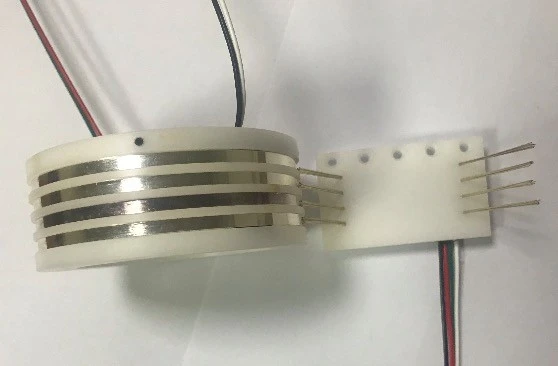
Case Study 1: Poor Contact in a BTS - 011 Separate Slip Ring
A customer reported intermittent signal loss in their BTS - 011 separate slip ring. After inspection, it was found that the brushes were worn down and not making proper contact with the rotating rings. The brushes were replaced, and the brush holders were cleaned and adjusted. After the repair, the signal transmission was restored, and the slip ring has been operating normally ever since.
Case Study 2: Ring Erosion in a BTS - 04A Separate Slip Ring
Another customer noticed increased resistance and noise in their BTS - 04A separate slip ring. Upon examination, it was discovered that the surface of the rotating rings was eroded due to excessive brush wear. The rings were polished using a fine-grit sandpaper, and the brushes were replaced. After the repair, the resistance was reduced, and the noise was eliminated.
Case Study 3: Bearing Failure in a BTS - 04 Separate Slip Ring
A third customer experienced excessive vibration and noise in their BTS - 04 separate slip ring. A detailed inspection revealed that the bearings were damaged. The bearings were replaced with high-quality ones, and the slip ring was reassembled. After the repair, the vibration and noise were eliminated, and the slip ring returned to normal operation.
Preventive Maintenance
In addition to repair methods, preventive maintenance is crucial to ensure the long - term performance and reliability of separate slip rings. Here are some preventive maintenance tips: - Regular Inspection: Conduct regular visual inspections of the slip ring to check for signs of wear, damage, or contamination. - Cleaning: Keep the slip ring clean by removing dust, debris, and oxidation from the brushes, rings, and other components. - Lubrication: If applicable, lubricate the bearings and other moving parts according to the manufacturer's recommendations. - Environmental Protection: Protect the slip ring from harsh environmental conditions such as moisture, dust, and high temperatures.
Conclusion
Separate slip rings are important components in many electrical systems, and understanding their repair methods is essential for maintaining their performance and reliability. By addressing common electrical and mechanical problems through appropriate repair techniques and implementing preventive maintenance measures, you can extend the lifespan of your separate slip rings and ensure their smooth operation.
If you are experiencing issues with your separate slip rings or are interested in purchasing high - quality slip rings, please feel free to contact us for more information. Our team of experts is ready to assist you with all your slip ring needs.
References
- "Electrical Contact and Switching Technology" by W. Reimann
- "Mechanical Design Handbook" by Robert C. Juvinall and Kurt M. Marshek
- Manufacturer's manuals for separate slip rings