

As a supplier of thin slip rings, I've had the privilege of working closely with these remarkable components, witnessing their performance in various applications. Thin slip rings are crucial in enabling the transfer of power, signals, or data between a stationary and a rotating structure. However, like any mechanical or electrical device, they are prone to certain failure modes that can impact their functionality and reliability. In this blog post, I'll delve into the common failure modes of thin slip rings, providing insights into their causes and potential solutions.
Wear and Tear
One of the most prevalent failure modes of thin slip rings is wear and tear. Over time, the continuous sliding contact between the brushes and the conductive rings can lead to abrasion, resulting in a gradual degradation of the contact surfaces. This wear can cause several issues, including increased electrical resistance, signal noise, and even intermittent or complete loss of connection.
The rate of wear depends on several factors, such as the materials used for the brushes and rings, the operating conditions (e.g., speed, temperature, humidity), and the quality of the slip ring design. For instance, using softer brush materials can reduce the initial contact resistance but may also wear out more quickly. On the other hand, harder materials can offer better wear resistance but may require more precise alignment to ensure proper contact.
To mitigate wear and tear, it's essential to select high-quality materials for the brushes and rings and to design the slip ring with proper lubrication and alignment features. Regular maintenance, such as cleaning and inspection, can also help detect early signs of wear and prevent further damage. Additionally, using a Thin And Light Pcb Pancake Slip Ring can offer a more compact and reliable solution, as it typically has a lower profile and a more uniform contact surface, reducing the risk of uneven wear.
Contamination
Contamination is another significant factor that can contribute to the failure of thin slip rings. Dust, dirt, moisture, and other foreign particles can accumulate on the contact surfaces, interfering with the electrical conductivity and causing corrosion or oxidation. This can lead to increased resistance, signal distortion, and even short circuits.
Contamination can occur during the manufacturing process, installation, or operation of the slip ring. For example, if the slip ring is installed in a dirty or humid environment, it's more likely to be exposed to contaminants. Similarly, improper handling or storage can also introduce dirt or moisture into the slip ring.
To prevent contamination, it's important to ensure that the slip ring is installed in a clean and dry environment and to use proper sealing and protection measures. Regular cleaning and maintenance can also help remove any accumulated contaminants and prevent further damage. Additionally, using a Thin And Light Flat Slip Ring with a sealed design can provide better protection against dust and moisture, reducing the risk of contamination-related failures.
Electrical Overload
Electrical overload is a common failure mode that can occur when the slip ring is subjected to a higher current or voltage than it's designed to handle. This can cause overheating, melting, or even burning of the conductive materials, leading to permanent damage to the slip ring.
Electrical overload can be caused by several factors, such as improper wiring, short circuits, or a sudden increase in the load. For example, if the slip ring is connected to a device that draws more current than the slip ring can handle, it can lead to an overload. Similarly, a short circuit in the system can cause a sudden surge in current, which can damage the slip ring.
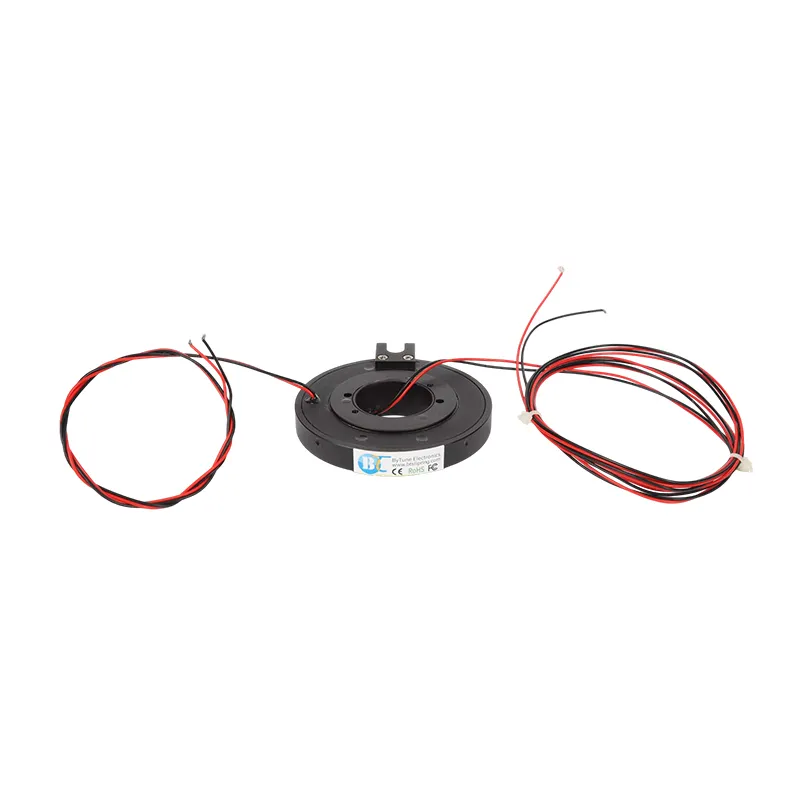

To prevent electrical overload, it's important to ensure that the slip ring is properly sized and rated for the specific application. This includes considering the maximum current, voltage, and power requirements of the system. Additionally, using proper fuses, circuit breakers, and other protective devices can help prevent damage to the slip ring in case of an overload. Using a Reliable Disc Slip Ring with a high current-carrying capacity can also provide a more reliable solution, reducing the risk of electrical overload.
Mechanical Vibration and Shock
Mechanical vibration and shock can also cause failure in thin slip rings. Excessive vibration or shock can loosen the connections between the brushes and the rings, causing intermittent or complete loss of contact. It can also damage the internal components of the slip ring, such as the insulation or the wiring.
Vibration and shock can be caused by various factors, such as the operation of the rotating equipment, the movement of the structure, or external forces. For example, if the slip ring is installed in a machine that operates at high speeds or with a lot of vibration, it's more likely to be exposed to mechanical stress. Similarly, if the structure is subjected to sudden impacts or shocks, it can also affect the performance of the slip ring.
To mitigate the effects of mechanical vibration and shock, it's important to ensure that the slip ring is properly mounted and secured. This includes using vibration-damping materials and mounting techniques to reduce the transfer of vibration to the slip ring. Additionally, designing the slip ring with a robust and flexible structure can help absorb the shock and prevent damage to the internal components.
Thermal Stress
Thermal stress is another factor that can contribute to the failure of thin slip rings. The continuous operation of the slip ring can generate heat, which can cause the materials to expand and contract. Over time, this thermal cycling can lead to mechanical stress and fatigue, causing cracks or other damage to the slip ring.
The rate of heat generation depends on several factors, such as the current flowing through the slip ring, the resistance of the contact surfaces, and the ambient temperature. For example, if the slip ring is operating at a high current or in a hot environment, it's more likely to generate a significant amount of heat.
To manage thermal stress, it's important to ensure that the slip ring is designed with proper heat dissipation features. This includes using materials with good thermal conductivity and providing adequate ventilation or cooling. Additionally, monitoring the temperature of the slip ring during operation can help detect any abnormal heating and prevent further damage.
In conclusion
Thin slip rings are essential components in many applications, but they are also prone to several failure modes. By understanding these failure modes and their causes, we can take appropriate measures to prevent or mitigate them. As a supplier of thin slip rings, we are committed to providing high-quality products that are designed to withstand the rigors of various applications. If you're interested in learning more about our thin slip rings or have any questions about their performance and reliability, please feel free to contact us for a detailed discussion and to explore potential purchasing options.
References
- [AuthorLastName, AuthorFirstName. "Title of Book." Publisher, PublicationYear.]
- [AuthorLastName, AuthorFirstName. "Title of Article." Journal Name, VolumeNumber, IssueNumber, PublicationYear, PageRange.]