

Hey there! As a supplier of separate slip rings, I've seen my fair share of issues when it comes to these nifty little devices. Separate slip rings are used in a wide range of applications, from industrial machinery to medical equipment, and they can sometimes act up. In this blog, I'm gonna walk you through how to troubleshoot a separate slip ring.
First Things First: Understanding Separate Slip Rings
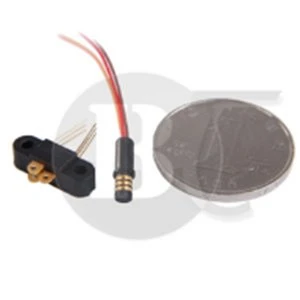
Before we dive into troubleshooting, let's quickly go over what separate slip rings are. A separate slip ring consists of a rotor and a stator. The rotor rotates, while the stator remains stationary. They work together to transfer electrical signals or power between the rotating and stationary parts of a system.
We offer a variety of separate slip rings, like the Standard Miniature Separate Slip Ring, the Reliable Split Slip Ring, and the Standard Mini Slip Ring With Separate Rotor And Stator. These are all top - notch products, but even the best can have problems sometimes.
Step 1: Check the Physical Condition
The first thing you should do when troubleshooting a separate slip ring is to take a good look at its physical condition. Start by inspecting the surface of the slip ring. Look for any signs of wear and tear, such as scratches, grooves, or uneven surfaces. Over time, the brushes that make contact with the slip ring can cause these issues.
If you notice any visible damage, it might be the cause of your problems. For example, a scratched surface can lead to poor electrical contact, which can result in signal loss or power fluctuations. In such cases, you may need to replace the slip ring.
Also, check the brushes. Make sure they are in good condition and are making proper contact with the slip ring. Brushes can wear out over time, and if they are too short or damaged, they won't be able to transfer the electrical signals or power effectively. If the brushes are worn, you can usually replace them quite easily.
Step 2: Examine the Electrical Connections
Next, you'll want to check all the electrical connections. Loose or faulty connections can cause a whole host of problems. Start by looking at the wires that are connected to the slip ring. Make sure they are securely attached and there are no signs of fraying or damage.
You can use a multimeter to test the continuity of the wires. If there is no continuity, it means there is a break in the wire, and you'll need to replace it. Also, check the terminals on the slip ring itself. Make sure they are clean and free of corrosion. Corrosion can interfere with the flow of electricity and cause problems.

Step 3: Test the Electrical Performance
Once you've checked the physical condition and the electrical connections, it's time to test the electrical performance of the slip ring. You can use a multimeter to measure the resistance between the different channels of the slip ring.
If the resistance is too high or too low, it could indicate a problem. For example, a high resistance might mean there is a poor connection somewhere, while a low resistance could be a sign of a short circuit. Compare the measured resistance values with the specifications provided by the manufacturer to see if they are within the acceptable range.
You can also test the signal transmission. If the slip ring is used for transmitting signals, send a test signal through it and see if it comes out correctly on the other end. If there are any distortions or losses in the signal, it means there is an issue with the slip ring.
Step 4: Look for Environmental Factors
Sometimes, the problems with a separate slip ring can be caused by environmental factors. For example, if the slip ring is exposed to dust, dirt, or moisture, it can affect its performance. Check the environment where the slip ring is installed.
If it's a dusty environment, consider installing a dust cover or a filtration system. Moisture can cause corrosion, so if the area is prone to humidity, you may need to take steps to protect the slip ring. You can use moisture - resistant coatings or enclosures to keep the slip ring dry.
Step 5: Check the Installation
Incorrect installation can also lead to problems with a separate slip ring. Make sure the slip ring is installed correctly according to the manufacturer's instructions. Check the alignment of the rotor and the stator. If they are not properly aligned, it can cause uneven wear on the slip ring and the brushes, as well as poor electrical contact.
Also, make sure the slip ring is mounted securely. If it is vibrating or moving around, it can cause problems with the electrical connections and the overall performance.
Step 6: Consider the Operating Conditions
Finally, think about the operating conditions of the slip ring. If it is being used in an application where it is subjected to high speeds, high temperatures, or high loads, it may be more prone to problems.
For example, if the slip ring is spinning at a very high speed, the brushes may not be able to keep up, and this can cause excessive wear. If the temperature is too high, it can affect the electrical properties of the materials used in the slip ring.
If you suspect that the operating conditions are causing the problems, you may need to make some adjustments. You could reduce the speed, improve the cooling system, or choose a slip ring that is better suited for the specific operating conditions.
Conclusion
Troubleshooting a separate slip ring can seem like a daunting task, but if you follow these steps, you should be able to identify and fix most of the common problems. Remember, taking good care of your slip ring and performing regular maintenance can go a long way in preventing issues from occurring in the first place.
If you're still having problems after trying all these steps, or if you need a replacement slip ring, don't hesitate to get in touch with us. We're here to help you with all your separate slip ring needs. Whether you need advice on choosing the right slip ring or you want to place an order, we're just a message away.
References
- General knowledge of electrical engineering principles related to slip rings.
- Manufacturer's guidelines for separate slip rings.