

When it comes to integrating a through hole slip ring into your device, making the right choice is crucial for ensuring optimal performance, reliability, and longevity. As a through hole slip ring supplier, I understand the challenges and considerations that go into this decision. In this blog post, I'll guide you through the key factors to consider when selecting the right through hole slip ring for your specific application.
1. Understand Your Application Requirements
The first step in choosing the right through hole slip ring is to have a clear understanding of your application requirements. Consider the following aspects:
- Electrical Requirements: Determine the number of circuits, voltage, current, and signal types (e.g., power, data, control) that the slip ring needs to transmit. Different applications may require different electrical specifications. For example, a high - power industrial machine may need a slip ring capable of handling high currents, while a data - transmission system may require low - noise, high - bandwidth signal transfer.
- Mechanical Requirements: Evaluate the rotational speed, torque, and mounting space available in your device. High - speed applications demand slip rings with low friction and high - precision bearings to minimize wear and ensure stable operation. Additionally, the size of the through hole and the overall dimensions of the slip ring must fit within the available space in your equipment.
- Environmental Conditions: Consider the operating environment of your device. Factors such as temperature, humidity, dust, and vibration can significantly affect the performance and lifespan of the slip ring. For harsh environments, you may need a slip ring with special protective features, such as sealed enclosures or materials that can withstand extreme temperatures.
2. Evaluate the Slip Ring's Design and Construction
The design and construction of the through hole slip ring play a vital role in its performance and reliability. Here are some key design features to look for:
- Contact Technology: The contact technology used in the slip ring determines the quality of electrical transmission. There are two main types of contact technologies: brush - type and mercury - wetted. Brush - type slip rings use carbon or metal brushes to make contact with the conductive rings, offering a cost - effective solution for most applications. Mercury - wetted slip rings, on the other hand, provide extremely low electrical noise and high - frequency performance but are more expensive and require special handling due to the use of mercury.
- Materials: The choice of materials for the conductive rings, brushes, and housing can impact the slip ring's durability and performance. High - quality materials, such as precious metals (e.g., gold, silver) for the conductive rings and wear - resistant plastics or metals for the housing, can ensure long - term reliability and stable electrical connections.
- Insulation: Proper insulation is essential to prevent electrical short - circuits and interference between circuits. Look for slip rings with high - quality insulation materials that can withstand the operating voltage and environmental conditions of your application.
3. Consider the Slip Ring's Performance Metrics
To ensure that the through hole slip ring meets your performance requirements, it's important to consider the following performance metrics:
- Contact Resistance: Low and stable contact resistance is crucial for efficient electrical transmission. A high contact resistance can lead to power losses, heat generation, and signal degradation. When comparing different slip rings, look for products with low contact resistance and a minimal change in resistance over time.
- Insulation Resistance: High insulation resistance is necessary to prevent electrical leakage between circuits. A low insulation resistance can cause electrical interference and potentially damage your equipment. Choose a slip ring with a high insulation resistance value to ensure reliable operation.
- Signal Integrity: If your application involves the transmission of data or control signals, signal integrity is of utmost importance. Look for slip rings that can maintain the integrity of the signals, with low signal attenuation, crosstalk, and noise.
4. Explore Different Types of Through Hole Slip Rings
There are various types of through hole slip rings available in the market, each designed to meet specific application requirements. Here are some common types:
- Miniature Through Hole Slip Ring: These slip rings are ideal for applications where space is limited, such as small - sized robots, medical devices, and consumer electronics. Miniature through hole slip rings typically have a small diameter through hole and a compact design, making them suitable for applications with tight space constraints.
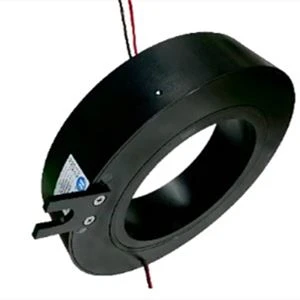
- Larged Hollow Shaft Slip Ring: For applications that require a large through hole, such as wind turbines, cranes, and heavy - duty industrial equipment, large hollow shaft slip rings are the preferred choice. These slip rings can accommodate large cables or pipes passing through the center, while still providing reliable electrical transmission.
- High Temperature Military Standard Through Hole Slip Ring: Designed to meet the stringent requirements of military and aerospace applications, high - temperature military standard through hole slip rings can operate in extreme temperature conditions. These slip rings are built with high - quality materials and advanced manufacturing techniques to ensure reliable performance in harsh environments.
5. Seek Expert Advice and Support
Choosing the right through hole slip ring can be a complex process, especially if you're not familiar with the technical details. As a through hole slip ring supplier, we have the expertise and experience to help you make the right decision. Our team of engineers can work with you to understand your application requirements and recommend the most suitable slip ring for your needs.
We also offer comprehensive technical support and after - sales service to ensure that your slip ring operates smoothly and reliably. Whether you need assistance with installation, maintenance, or troubleshooting, our experts are here to help.

Conclusion
Selecting the right through hole slip ring for your device is a critical decision that can impact the performance, reliability, and longevity of your equipment. By understanding your application requirements, evaluating the slip ring's design and construction, considering its performance metrics, exploring different types of slip rings, and seeking expert advice, you can make an informed decision and choose the slip ring that best meets your needs.
If you're interested in learning more about our through hole slip rings or have any questions about the selection process, please feel free to contact us. We're committed to providing high - quality products and excellent customer service to help you find the perfect slip ring solution for your application.
References
- "Slip Ring Handbook", Industry Standard Publication
- "Electrical Transmission in Rotating Systems", Technical Journal Article