

Hey there! As a supplier of pneumatic slip rings, I often get asked, "How long does a pneumatic slip ring last?" Well, let's dig into this topic and find out what factors influence their lifespan and how you can make them last as long as possible.
First off, what exactly is a pneumatic slip ring? It's a device that allows the transfer of pneumatic signals and power between a stationary and a rotating part. They're used in a wide range of applications, from industrial machinery to robotics and even aerospace. And just like any other piece of equipment, their lifespan can vary depending on several factors.
Quality of Materials
One of the most important factors that determine how long a pneumatic slip ring lasts is the quality of the materials used in its construction. High - quality materials are more durable and resistant to wear and tear. For example, if the seals are made from a high - grade rubber or elastomer, they'll be better at preventing leaks and maintaining the integrity of the pneumatic system. The conductors inside the slip ring also need to be of good quality. Copper or silver - plated copper conductors are often used because they have low resistance and can carry electrical signals efficiently without degrading over time.
At our company, we use only the best materials in our Single Port Hydraulic Slip Ring BTY - 01A. The seals are made from a special compound that's resistant to high pressures and temperatures, and the conductors are carefully selected to ensure long - term performance.
Operating Conditions
The environment in which the pneumatic slip ring operates plays a huge role in its lifespan. If it's used in a dirty or dusty environment, particles can get into the slip ring and cause abrasion and damage to the internal components. Moisture is another enemy. If the slip ring is exposed to water or high humidity, it can lead to corrosion of the conductors and seals.
Temperature is also a crucial factor. Extreme temperatures, either too hot or too cold, can affect the performance of the slip ring. High temperatures can cause the materials to expand and lose their shape, while low temperatures can make the seals brittle and more prone to cracking.
For instance, if you're using a One Channel Hydraulic Slip Ring (BTY - 01D) in an industrial setting where there's a lot of dust and debris, you might need to install additional protective measures like enclosures or filters to keep the slip ring clean.
Maintenance
Proper maintenance is key to extending the lifespan of a pneumatic slip ring. Regular inspections can help you catch any potential problems early on. You should check for leaks, loose connections, and signs of wear on the conductors and seals. Cleaning the slip ring periodically can also prevent the buildup of dirt and debris.
Lubrication is another important aspect of maintenance. Some slip rings require lubrication to reduce friction between the rotating and stationary parts. Using the right type of lubricant is crucial, as the wrong one can cause more harm than good.
We always recommend following the maintenance guidelines provided with our products. If you have any questions about maintaining your Hydraulic Slip Ring with Electrical Wires, our customer support team is always here to help.
Usage Frequency
How often the pneumatic slip ring is used also affects its lifespan. If it's used continuously for long periods, it'll naturally wear out faster than one that's used intermittently. However, even if it's used infrequently, it still needs to be maintained properly to ensure it's in good working condition when it's needed.
For applications where the slip ring is used constantly, like in a high - speed manufacturing process, you might need to consider a more robust and high - performance model. Our company offers a range of slip rings designed for different usage frequencies, so you can choose the one that best suits your needs.
Typical Lifespan
So, how long can you expect a pneumatic slip ring to last? Well, it's hard to give an exact number because of all the factors we've discussed. But on average, a well - maintained pneumatic slip ring can last anywhere from 5 to 15 years. In some cases, with ideal operating conditions and top - notch maintenance, it could even last longer.
If you're using a slip ring in a less demanding application, like a small - scale robotic arm that doesn't operate at high speeds or under extreme conditions, it might last closer to the 15 - year mark. On the other hand, if it's used in a harsh industrial environment with high usage frequency, you might need to replace it after 5 to 7 years.
Extending the Lifespan
If you want to get the most out of your pneumatic slip ring, here are some tips:
- Choose the right slip ring: Make sure you select a slip ring that's suitable for your specific application. Consider factors like operating conditions, usage frequency, and the required performance.
- Follow the maintenance schedule: Regularly inspect, clean, and lubricate the slip ring as recommended by the manufacturer.
- Protect the slip ring: Use enclosures, filters, or other protective measures to shield the slip ring from dirt, moisture, and extreme temperatures.
Conclusion
In conclusion, the lifespan of a pneumatic slip ring depends on several factors, including the quality of materials, operating conditions, maintenance, and usage frequency. By choosing a high - quality slip ring, maintaining it properly, and protecting it from harsh environments, you can ensure that it lasts for many years.

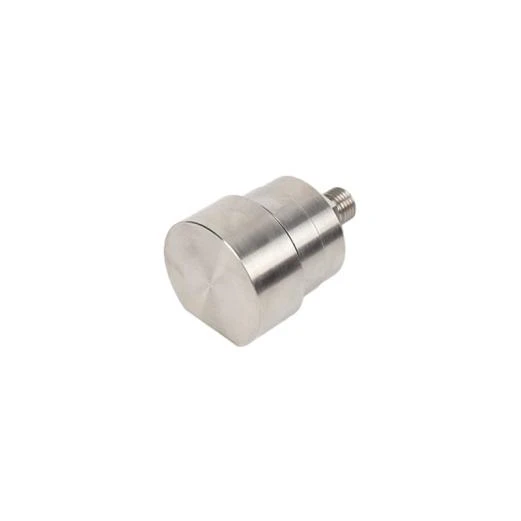
If you're in the market for a pneumatic slip ring, we'd love to help you find the right one for your needs. Our team of experts can provide you with all the information you need and assist you in making the best choice. Don't hesitate to reach out to us for more details and to start the procurement process. We're here to make sure you get the most reliable and long - lasting slip ring for your application.
References
- Industry standards for pneumatic slip ring manufacturing
- Internal research and development reports from our company
- Case studies of pneumatic slip ring usage in various industries