

Gas slip rings are crucial components in various industrial applications, enabling the transfer of gas or fluid between a stationary and a rotating structure. As a trusted gas slip ring supplier, I've witnessed firsthand the importance of understanding how different factors can impact the performance of these devices. One such factor that significantly affects gas slip rings is gas density. In this blog post, I'll delve into the relationship between gas density and gas slip rings, exploring how it influences their operation, performance, and overall efficiency.
Understanding Gas Density
Gas density refers to the mass of a gas per unit volume. It is influenced by several factors, including temperature, pressure, and the molecular weight of the gas. Different gases have different densities, and these variations can have a profound impact on the behavior of gas slip rings. For instance, gases with higher densities, such as carbon dioxide or sulfur hexafluoride, are heavier and exert more pressure compared to lighter gases like hydrogen or helium.

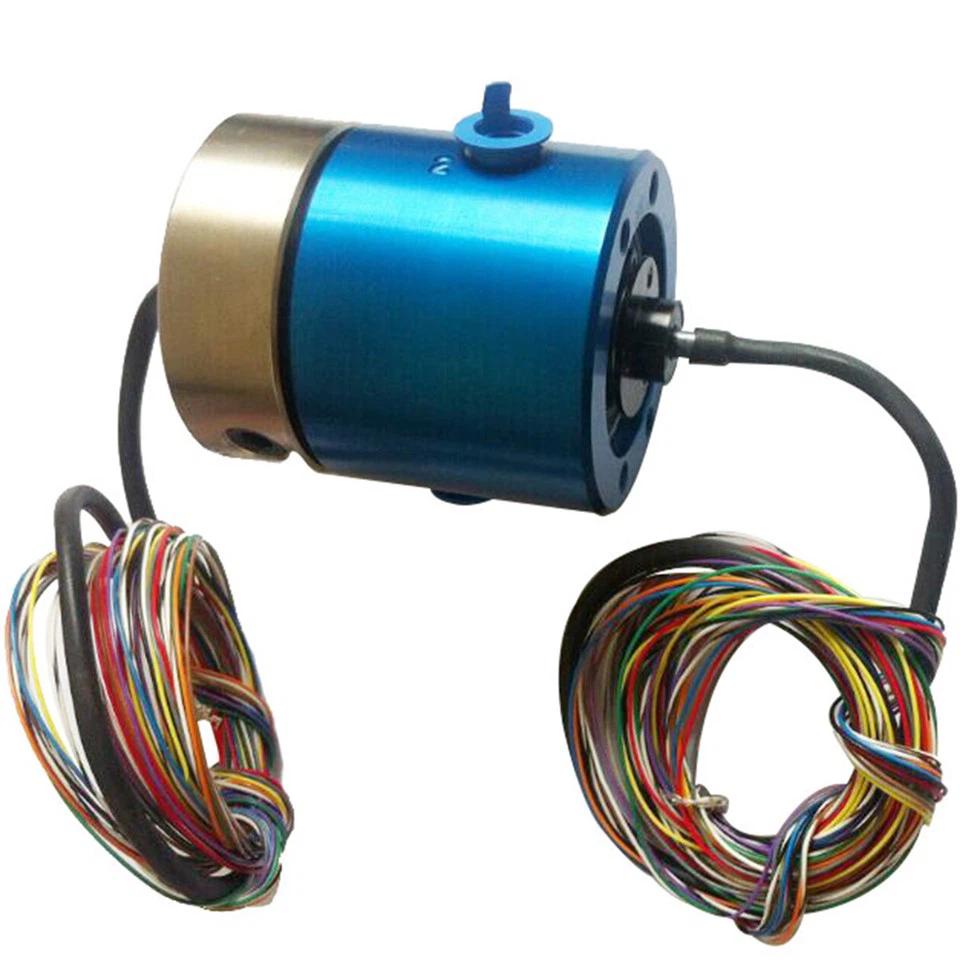
How Gas Density Affects Gas Slip Rings
Sealing Performance
One of the primary ways gas density affects gas slip rings is through its impact on sealing performance. Gas slip rings rely on effective seals to prevent gas leakage between the stationary and rotating parts. When the gas density is high, the gas molecules are more closely packed together, exerting greater pressure on the seals. This increased pressure can put additional stress on the seals, potentially leading to wear and tear over time. As a result, the seals may become less effective at preventing gas leakage, which can compromise the performance of the gas slip ring and the overall system.
On the other hand, low-density gases exert less pressure on the seals, reducing the stress on them. This can lead to longer seal life and better sealing performance. However, it's important to note that even with low-density gases, proper seal design and maintenance are still essential to ensure reliable operation.
Flow Characteristics
Gas density also affects the flow characteristics of the gas within the slip ring. High-density gases have a higher viscosity, which means they flow more slowly and are more resistant to changes in flow direction. This can make it more challenging to achieve a smooth and consistent flow of gas through the slip ring, especially at high flow rates. In some cases, the high viscosity of the gas may cause pressure drops and flow restrictions, which can affect the performance of the equipment connected to the slip ring.
Conversely, low-density gases have a lower viscosity and flow more easily. This allows for better flow characteristics and can result in more efficient operation of the gas slip ring. However, it's important to ensure that the slip ring is designed to handle the specific flow requirements of the low-density gas to prevent issues such as gas turbulence or flow instability.
Power Consumption
The density of the gas can also impact the power consumption of the gas slip ring. High-density gases require more energy to move through the slip ring due to their higher mass and viscosity. This means that the motor or other power source used to drive the rotation of the slip ring may need to work harder, resulting in increased power consumption. In industrial applications where energy efficiency is a priority, this can have a significant impact on operating costs.
Low-density gases, on the other hand, require less energy to move through the slip ring, resulting in lower power consumption. This can make them a more attractive option for applications where energy efficiency is important. However, it's important to consider other factors such as the specific requirements of the application and the availability of the gas when choosing between high- and low-density gases.
Considerations for Designing Gas Slip Rings for Different Gas Densities
When designing gas slip rings for specific applications, it's important to take into account the gas density and its potential impact on performance. Here are some key considerations:
Seal Design
The seal design is critical for ensuring reliable operation of the gas slip ring, especially when dealing with high-density gases. Seals should be made from materials that are resistant to wear and tear and can withstand the increased pressure exerted by the gas. Additionally, the seal design should be optimized to minimize the risk of gas leakage and to ensure a tight fit between the stationary and rotating parts.
Flow Path Design
The flow path design of the gas slip ring should be carefully optimized to accommodate the specific flow characteristics of the gas. For high-density gases, the flow path should be designed to minimize pressure drops and flow restrictions. This may involve using larger diameter channels or adding flow straighteners to improve the flow of the gas. For low-density gases, the flow path should be designed to prevent gas turbulence and flow instability.
Material Selection
The materials used in the construction of the gas slip ring should be selected based on the properties of the gas and its density. For high-density gases, materials that are resistant to corrosion and can withstand the increased pressure and wear are essential. For low-density gases, lighter materials may be used to reduce the weight of the slip ring and improve its overall efficiency.
Applications of Gas Slip Rings with Different Gas Densities
Gas slip rings are used in a wide range of applications, each with its own specific requirements and gas density considerations. Here are some examples:
Aerospace
In the aerospace industry, gas slip rings are used in various applications, such as aircraft engines and satellite systems. High-density gases, such as nitrogen or argon, are often used in these applications due to their stability and inertness. The gas slip rings used in aerospace applications must be designed to withstand the high pressures and temperatures associated with these environments and to ensure reliable operation over long periods of time.
Industrial Automation
In industrial automation, gas slip rings are used to transfer gases between stationary and rotating parts in machinery such as robots, conveyors, and packaging equipment. Depending on the specific application, either high- or low-density gases may be used. For example, in applications where a high flow rate of gas is required, low-density gases such as air or nitrogen may be used. In applications where a more precise control of gas flow is needed, high-density gases such as carbon dioxide or helium may be used.
Medical Equipment
In the medical industry, gas slip rings are used in various applications, such as medical imaging equipment and surgical robots. High-density gases, such as xenon or krypton, are often used in these applications due to their unique properties, such as their ability to absorb X-rays or their high solubility in blood. The gas slip rings used in medical equipment must be designed to meet strict safety and reliability standards and to ensure the accurate delivery of the gas to the patient.
Conclusion
As a gas slip ring supplier, I understand the importance of considering gas density when designing and selecting gas slip rings for specific applications. Gas density can have a significant impact on the sealing performance, flow characteristics, and power consumption of gas slip rings. By taking into account the gas density and its potential impact on performance, it's possible to design gas slip rings that are optimized for the specific requirements of the application, ensuring reliable operation and long service life.
If you're in the market for a gas slip ring and need assistance in selecting the right one for your application, please don't hesitate to [initiate a conversation with our team]. We have a wide range of gas slip rings available, including the High Pressure Hybrid Slip Ring, Hydraulic Slip Ring with Electrical Wires, and Pneumatics with Electrical Hybrid Slip Ring, and our experts can help you find the perfect solution for your needs.
References
- [1] ASM International Handbook Committee. (2004). ASM Handbook, Volume 1: Properties and Selection: Irons, Steels, and High-Performance Alloys. ASM International.
- [2] Boyes, D. (2012). Instrumentation Reference Book. Butterworth-Heinemann.
- [3] Dorf, R. C., & Bishop, R. H. (2011). The Electrical Engineering Handbook. CRC Press.