

A gas slip ring, also known as a pneumatic slip ring, is a crucial device in various industrial applications. As a gas slip ring supplier, I have witnessed firsthand the importance and functionality of these components. In this blog, I will delve into how a gas slip ring works, its applications, and the benefits it offers.
Basic Principle of a Gas Slip Ring
At its core, a gas slip ring is designed to transfer gas or pneumatic signals from a stationary part to a rotating part. This is achieved through a combination of mechanical and sealing mechanisms. The basic structure of a gas slip ring consists of a stationary housing and a rotating shaft. Inside the housing, there are multiple channels or passages that are used to carry the gas. These channels are connected to the external gas supply through ports on the stationary housing.
The rotating shaft, on the other hand, has corresponding channels that align with the channels in the housing when the shaft rotates. To ensure a continuous and leak - free transfer of gas, precision sealing elements are used. These seals prevent gas from leaking out of the channels and maintain a stable pressure within the system.
Components of a Gas Slip Ring
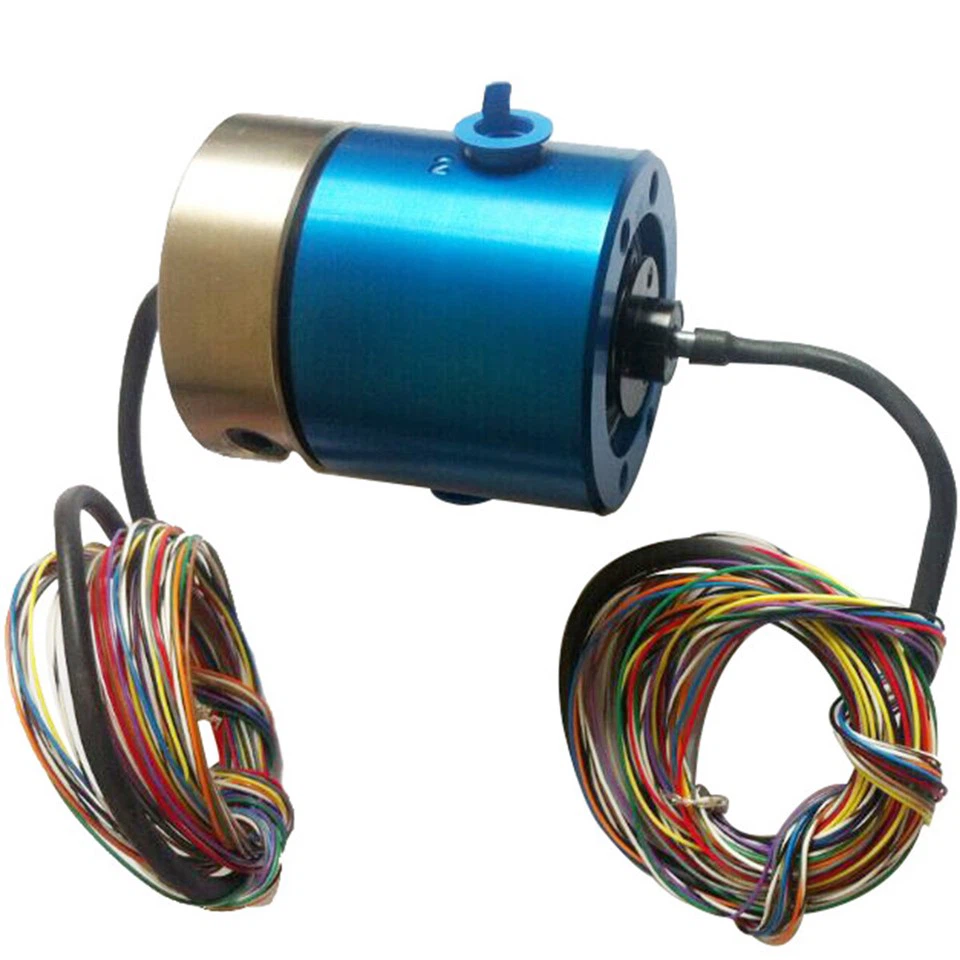
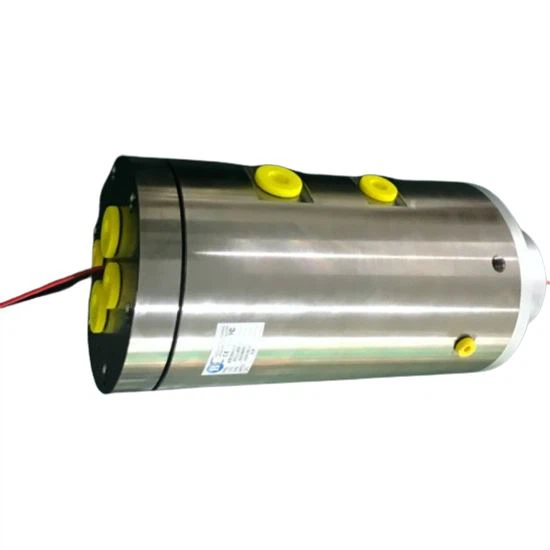
- Housing: The housing is the outer structure of the gas slip ring. It is usually made of a durable material such as aluminum or stainless steel. The housing provides protection for the internal components and also serves as a mounting point for the slip ring. It has ports for connecting the gas supply lines and is designed to be compatible with different types of gas systems.
- Rotating Shaft: The rotating shaft is the part of the slip ring that rotates along with the equipment. It is precisely machined to ensure smooth rotation and proper alignment with the channels in the housing. The shaft may have different diameters and lengths depending on the specific application requirements.
- Sealing Elements: Sealing is a critical aspect of a gas slip ring. O - rings, lip seals, or other types of seals are used to prevent gas leakage between the stationary and rotating parts. These seals are made of materials that are resistant to the gas being transferred and can withstand the operating pressures and temperatures of the system.
- Channels: The channels in a gas slip ring are responsible for carrying the gas from the stationary to the rotating part. They are designed to have a specific cross - sectional area to ensure proper gas flow. The number of channels can vary depending on the application, with some slip rings having just a single channel and others having multiple channels for different gases or pneumatic signals.
Working Process
Let's take a detailed look at the working process of a gas slip ring. When the gas supply is connected to the ports on the stationary housing, the gas enters the channels in the housing. As the rotating shaft starts to rotate, the channels in the shaft align with the channels in the housing. The gas then flows through the aligned channels from the stationary part to the rotating part.
The sealing elements play a vital role during this process. They ensure that the gas does not escape from the channels, even when there is relative movement between the stationary and rotating parts. This allows for a continuous and reliable transfer of gas, regardless of the rotational speed of the shaft.
Applications of Gas Slip Rings
Gas slip rings are used in a wide range of industries and applications. Here are some common examples:
- Automation and Robotics: In automated production lines and robotic systems, gas slip rings are used to transfer compressed air to various actuators and pneumatic tools. This enables the robots to perform tasks such as gripping, lifting, and assembling with precision.
- Medical Equipment: Some medical devices, such as surgical robots and imaging equipment, require the transfer of gas or pneumatic signals. Gas slip rings are used to ensure that these signals can be transferred smoothly during the rotation of the equipment, allowing for accurate and efficient operation.
- Aerospace and Defense: In aerospace applications, gas slip rings are used in aircraft and satellite systems. They can transfer gases such as nitrogen or oxygen for various functions, including pressurization and cooling. In defense systems, they are used in radar antennas and other rotating equipment to transfer pneumatic signals.
- Wind Turbines: Wind turbines have rotating components that require the transfer of gas for various purposes, such as blade pitch control. Gas slip rings are used to ensure that the gas can be transferred to the rotating blades, allowing for efficient and reliable operation of the turbine.
Advantages of Using Gas Slip Rings
- Continuous Gas Transfer: One of the main advantages of gas slip rings is their ability to provide continuous gas transfer during rotation. This is essential for applications where a constant supply of gas is required for proper operation.
- Reduced Wear and Tear: The use of high - quality sealing elements and precision machining in gas slip rings reduces wear and tear on the components. This results in a longer service life and lower maintenance costs.
- Versatility: Gas slip rings can be designed to handle different types of gases and operating pressures. They can also be customized to meet the specific requirements of different applications, making them a versatile solution for various industries.
- Improved System Performance: By ensuring a reliable transfer of gas, gas slip rings can improve the overall performance of the system. This leads to increased productivity, reduced downtime, and better quality of the end - product.
Hybrid Slip Rings
In addition to traditional gas slip rings, there are also hybrid slip rings available. These slip rings combine the functionality of gas transfer with other types of signals, such as electrical or hydraulic signals.
- High Pressure Hybrid Slip Ring: The High Pressure Hybrid Slip Ring is designed to handle high - pressure gas transfer along with electrical signals. This type of slip ring is commonly used in applications where both gas and electrical power need to be transferred to a rotating part, such as in some industrial machinery and aerospace systems.
- Pneumatics with Electical Hybrid Slip Ring: The Pneumatics with Electical Hybrid Slip Ring combines pneumatic and electrical signal transfer. It is ideal for applications where there is a need to control pneumatic actuators using electrical signals, such as in automated production lines.
- Hydraulic Slip Ring with Electrical Wires: The Hydraulic Slip Ring with Electrical Wires is used to transfer hydraulic fluid and electrical signals simultaneously. This is useful in applications where both hydraulic power and electrical control are required, such as in some heavy - duty machinery.
Considerations When Choosing a Gas Slip Ring
When selecting a gas slip ring for your application, there are several factors to consider:
- Gas Type and Pressure: Different gases have different properties, and the slip ring must be compatible with the type of gas being transferred. Additionally, the operating pressure of the gas system is an important consideration, as the slip ring must be able to withstand the pressure without leakage.
- Rotational Speed: The rotational speed of the equipment affects the performance of the gas slip ring. Higher rotational speeds may require more advanced sealing and bearing designs to ensure smooth operation and prevent wear.
- Number of Channels: The number of channels required depends on the specific application. If multiple gases or pneumatic signals need to be transferred, a slip ring with multiple channels should be selected.
- Environmental Conditions: The environmental conditions in which the slip ring will operate, such as temperature, humidity, and dust, can also affect its performance. It is important to choose a slip ring that is designed to withstand the specific environmental conditions of your application.
Conclusion
Gas slip rings are essential components in many industrial applications. Their ability to transfer gas from a stationary to a rotating part provides a reliable solution for a wide range of systems. Whether you are in the automation, medical, aerospace, or other industries, a gas slip ring can improve the performance and efficiency of your equipment.
As a gas slip ring supplier, we offer a wide range of gas slip rings and hybrid slip rings to meet your specific needs. If you are interested in learning more about our products or need assistance in choosing the right slip ring for your application, please feel free to contact us for procurement and further discussions.
References
- Groover, M. P. (2010). Automation, Production Systems, and Computer - Integrated Manufacturing. Prentice Hall.
- Modler, W. (2008). Pneumatic Systems: Components, Circuits, Maintenance. Elsevier.
- Bosch Rexroth AG. (2017). Hydraulics and Pneumatics: A Basis for Understanding.