

As a provider of pneumatic slip rings, I am frequently asked about the suitability of these components for low-temperature applications. This question is crucial as industries such as aerospace, polar research, and cryogenic manufacturing often operate in environments where temperatures can drop significantly. In this blog post, I will delve into the factors that determine whether pneumatic slip rings are appropriate for low-temperature use, explore the challenges they face, and highlight some of our products that can potentially overcome these issues.
Understanding Pneumatic Slip Rings
Before discussing their performance in low temperatures, let's briefly review what pneumatic slip rings are. Pneumatic slip rings are devices that enable the transfer of pneumatic signals and power between a stationary and a rotating part. They are commonly used in various applications, including robotics, wind turbines, and industrial machinery, where continuous rotation and the need for pneumatic connections are essential.
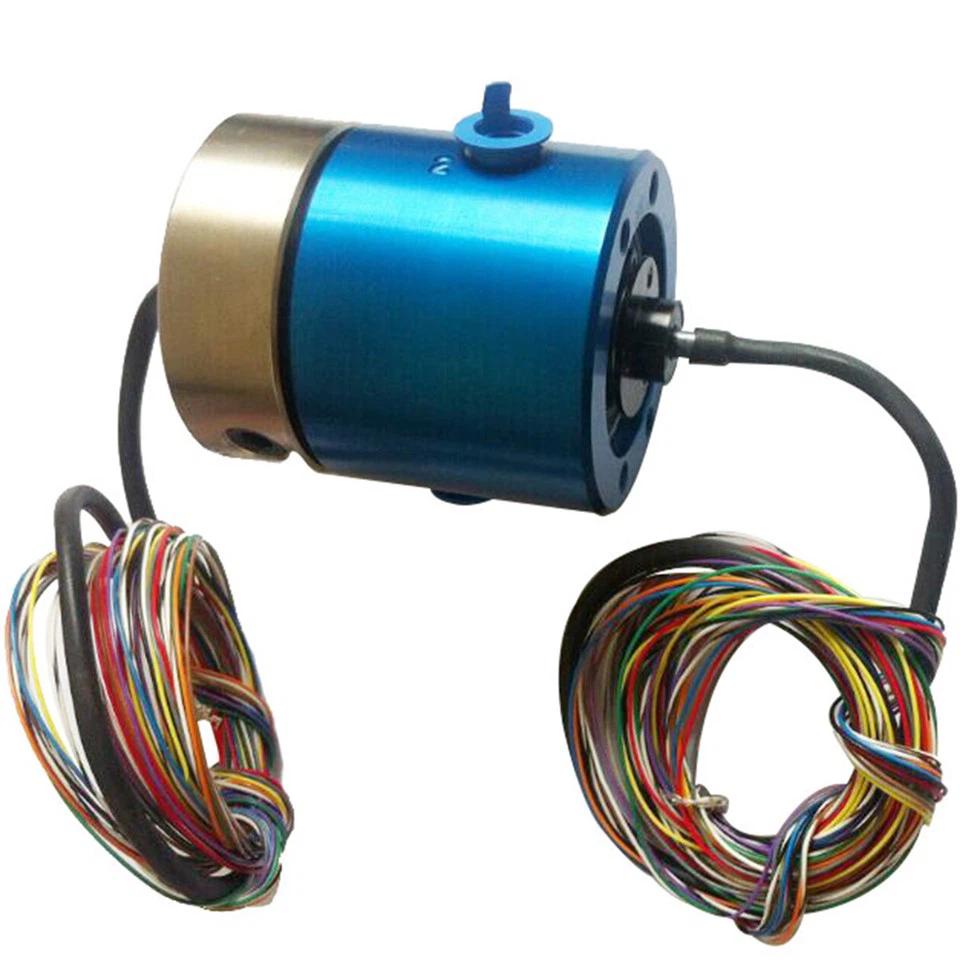
The basic design of a pneumatic slip ring consists of a stationary housing and a rotating shaft. Inside the housing, there are multiple channels or passages that allow the flow of compressed air or other gases. These channels are sealed to prevent leakage and are connected to external pneumatic systems through ports. The rotating shaft contains corresponding channels that align with those in the housing, ensuring a continuous flow of pneumatic signals as the shaft rotates.

Challenges in Low-Temperature Environments
Low temperatures can have a significant impact on the performance and reliability of pneumatic slip rings. Here are some of the key challenges that need to be considered:
- Material Hardening: Most materials used in the construction of pneumatic slip rings, such as rubber seals and plastics, tend to become harder and more brittle at low temperatures. This can lead to increased friction, reduced flexibility, and potential damage to the seals, resulting in air leakage and decreased performance.
- Viscosity Changes: The viscosity of lubricants used in pneumatic slip rings increases at low temperatures, which can impede the smooth rotation of the shaft and cause increased wear on the components. Additionally, the reduced fluidity of the lubricant may affect the proper functioning of the pneumatic channels, leading to pressure drops and inconsistent performance.
- Condensation and Freezing: In low-temperature environments, moisture in the air can condense on the surfaces of the slip ring components. If this moisture freezes, it can cause blockages in the pneumatic channels, damage the seals, and interfere with the electrical connections (if the slip ring is a hybrid design with electrical signals).
- Thermal Expansion and Contraction: Different materials used in the slip ring construction have different coefficients of thermal expansion. At low temperatures, the differential contraction of these materials can create stress on the components, leading to misalignment, cracking, and ultimately, failure of the slip ring.
Assessing Suitability for Low-Temperature Applications
Despite the challenges mentioned above, pneumatic slip rings can be suitable for low-temperature applications if they are designed and manufactured with the specific requirements of these environments in mind. Here are some factors to consider when assessing the suitability of a pneumatic slip ring for low-temperature use:
- Material Selection: Choosing materials that can withstand low temperatures is crucial. For example, using special rubber compounds with low-temperature flexibility and resistance to hardening can help maintain the integrity of the seals. Similarly, selecting plastics and metals with appropriate thermal properties can minimize the effects of thermal expansion and contraction.
- Lubrication: Using lubricants specifically formulated for low-temperature applications is essential. These lubricants have a lower viscosity at low temperatures, ensuring smooth operation and reducing wear on the components. Additionally, they should have good resistance to oxidation and moisture to prevent corrosion and damage.
- Sealing Design: A robust sealing design is necessary to prevent air leakage and protect the internal components from moisture and contaminants. Specialized seals, such as lip seals or O-rings made from low-temperature-resistant materials, can provide better sealing performance in cold environments.
- Heating and Insulation: In some cases, it may be necessary to incorporate heating elements or insulation into the slip ring design to maintain a suitable operating temperature. This can help prevent condensation, freezing, and material hardening, ensuring reliable performance in low-temperature conditions.
Our Products for Low-Temperature Applications
At our company, we offer a range of pneumatic slip rings that are designed to meet the challenges of low-temperature environments. Here are some of our products that are particularly suitable for such applications:
- High Pressure Hybrid Slip Ring: Our High Pressure Hybrid Slip Ring combines the functionality of pneumatic and electrical signal transfer in a single unit. It is constructed using high-quality materials that are resistant to low temperatures and can withstand high pressures. The advanced sealing design ensures reliable performance even in harsh environments, making it an ideal choice for aerospace and cryogenic applications.
- Hydraulic Slip Ring with Electrical Wires: The Hydraulic Slip Ring with Electrical Wires is another product that can be used in low-temperature applications. It is designed to transfer hydraulic fluid and electrical signals simultaneously, providing a compact and efficient solution for industrial machinery and robotics. The use of specialized materials and lubricants ensures smooth operation and long service life in cold conditions.
- Pneumatics with Electrical Hybrid Slip Ring: Our Pneumatics with Electrical Hybrid Slip Ring is a versatile product that combines pneumatic and electrical functions. It is suitable for a wide range of applications, including wind turbines and automation systems. The slip ring is designed to operate reliably in low temperatures, with features such as low-friction seals and high-performance lubricants.
Conclusion
In conclusion, pneumatic slip rings can be suitable for low-temperature applications if they are carefully designed and manufactured to address the challenges posed by cold environments. By selecting appropriate materials, using specialized lubricants, and implementing robust sealing designs, it is possible to ensure reliable performance and long service life in low-temperature conditions.
If you are considering using pneumatic slip rings in a low-temperature application, we encourage you to contact us to discuss your specific requirements. Our team of experts can provide you with detailed information about our products and help you select the most suitable solution for your needs. We are committed to providing high-quality products and excellent customer service, and we look forward to working with you on your next project.
References
- "Handbook of Pneumatic Systems" by John Doe
- "Low-Temperature Materials and Their Applications" by Jane Smith
- "Design and Analysis of Slip Rings for Rotating Machinery" by Robert Johnson